

Alzheimer’s Agitation, Anger, and Aggression:
How to handle it!
Alzheimer’s agitation, anger, and aggression can be very difficult for family members. Especially when this behavior is totally out of character from the person they were before the disease took over.
The main cause of these behaviors is usually frustration, but they can have other triggers. This behavior will often just appear out of the blue.

Alzheimer’s agitation can be caused by several different things, especially if they are unable to recognize what is irritating them. They may be hungry, thirsty, cold, hot, tired, pain, or there is too much stimulation around them.
Prevention is The First Course of Action
Learn what triggers the behaviors and try to eliminate the trigger.
Maintain a calm environment. Listen to them if they are still able to talk.
Always remain calm, keep your voice as soft as possible, and try to understand and solve the problem.
Learn what you can do to appear non-threatening.
When they are agitated, you should stand sideways instead of face to face.
Always keep 2-3 feet of space in between you and the aggressive person.
Use calming phrases such as, “I understand”, “how can I help you”, and “everything will be OK”.
Interventions for Alzheimer’s Agitation
Never argue with someone with Alzheimer’s Disease!
Their reasoning ability is gone and you will only add fuel to a fire you can’t control.
Your goal is to find the cause of the agitation and diffuse the situation.
Arguing with the agitated person will cause them to become more frustrated and agitated
Redirection May Often Eliminate the Behavior
An example I use frequently is: a man in the middle stage of Alzheimer’s Disease occasionally wants his car. He gets agitated and aggressive very easily. I tell him his daughter took the car in for an oil change and she will bring it back when it is done. He fusses for a minute and I redirect him to watch a movie while he waits for her. After a few minutes, he completely forgets about the car.
Calm, Relaxing Music Can Also Prevent Agitation
Try to keep this type of music playing in the background of your home. The music can help keep your family member from becoming agitated.
The more mellow the music the stronger the calming effect is.
Try different types of music to find which ones work best.
There are different music internet channels such as Pandora, that allow you to build a playlist of songs. You can have a couple of different playlists to switch back and forth.
There are also several natural calming ingredients that you may want to try. You can find them at your local health food store or online.
Aromatherapy is another method used to help keep a calm relaxing atmosphere in the home. There have been several studies on Dementia patients and aromatherapy.
Lavender and Lemon Balm have been found to have the best results for Alzheimer’s agitation.
We now use Lavender aromatherapy at the hospital I work in.
Distraction for Alzheimer’s Agitation
Distraction is one of the quickest and gentlest ways to calm someone who’s becoming agitated — and it works more often than people realize. I’ve used it hundreds of times throughout my nursing career, and many caregivers tell me it’s the only thing that kept a tough moment from turning into a dangerous one.
When someone with dementia is fixated on something, their brain is locked onto one thought. Trying to argue, reason, or explain usually makes things worse. But shifting their attention — even for a few seconds — can help their mind “reset” and break that cycle of agitation.
Why Distraction Works
-
It moves their brain away from the stressful thought
-
It lowers the emotional pressure they’re feeling
-
It gives you a chance to redirect them to something safer or calmer
-
It helps prevent anger from escalating into aggression
Simple Distraction Ideas Caregivers Can Use
Here are things I used all the time at the bedside:
-
A phone (this one worked for nearly everyone)
-
Music they enjoy
-
A simple task like folding a towel
-
A snack or drink
-
Looking at family photos
-
Asking for “help” with something small
-
A familiar object they like touching or holding
A Story From My Experience
I’ve had many patients who were pacing, anxious, or insisting they needed to “go home” or “find someone.” One common situation was someone looking for a spouse who had passed away years ago. Telling them the truth over and over only caused more pain and made the agitation stronger.
So instead, I would gently hand them a phone and say:
“Here, let me try calling to see if I can reach them.”
Then I would dial a number to an empty office.
They would listen to the phone ring, and it would hold their attention just long enough for the anxiety to break. After a few moments, they often forgot what they were upset about and moved on to something else much calmer.
It wasn’t tricking them — it was protecting them from emotional pain they didn’t need to experience.
When Distraction Helps the Most
Distraction works especially well when someone is:
-
Fixated on a past memory
-
Searching for someone
-
Wanting to “go home”
-
Feeling scared or unsafe
-
Becoming verbally aggressive
-
Anxious because they cannot find the words they want
It’s not giving in.
It’s not lying.
It’s meeting their brain where it is and helping them feel secure again.
Remember, Agitation and Anger Can Quickly Lead to Aggressive Behavior!
One of my biggest concerns for caregivers at home is caregiver safety. Alzheimer’s agitation can lead to violence if not handled appropriately.
The caregiver can easily become a victim.
I believe this happens more often than any of us know.
Many people don’t understand the disease process or know how to diffuse a situation. They believe they can still reason with someone with Alzheimer’s or dementia who is agitated, but this is not the case. Their ability to reason is no longer there.
I have seen many people with Alzheimer’s Disease or dementia who were admitted to a nursing home because of their aggressive behaviors. Often the only one at home with them is the spouse, and they have become afraid of them. They are no longer able to handle the aggressive behaviors.
Keep in mind, the spouse with Alzheimer’s agitation and aggression may be hurting the caregiver, and the caregiver is often too embarrassed to tell other family members.
In some cases, the aggression becomes so severe that the person must be taken to the hospital for safety, treatment, and evaluation. If this happens, understanding what to expect during a dementia hospital stay can help you prepare for the medical decisions that follow — including the possibility of a nursing home placement.
All friends & family members should keep an eye out for the safety of the primary caregiver in the home!

The good news is, there are medications available to help control aggressiveness.
If you are living with someone who has Alzheimer’s with aggressive behaviors, you need to make sure your doctor is aware of the aggression.
If you have tried the other methods and are still having problems with Alzheimer’s agitation it is probably time to call the doctor. There are several different medicines available.
Your doctor may need to try a couple of different ones until he finds which one works best for your family member.
Make sure you keep your doctor informed of behaviors and whether medicines are helping or not.
It is very important tou write down descriptions of agitation and aggressive behavior. This includes what time of day, what led to the agitation/aggression, and what you did to calm them! Are they getting better or worse?
If you are not tracking their behaviors, please start.
This is how your doctor will be able to see a real picture of what is going on at home. Learn more about some of the challenging behaviors that often accompany Alzheimer’s or dementia in my article Top 10 Alzheimer’s & Dementia Behaviors Every Caregiver Should Know About
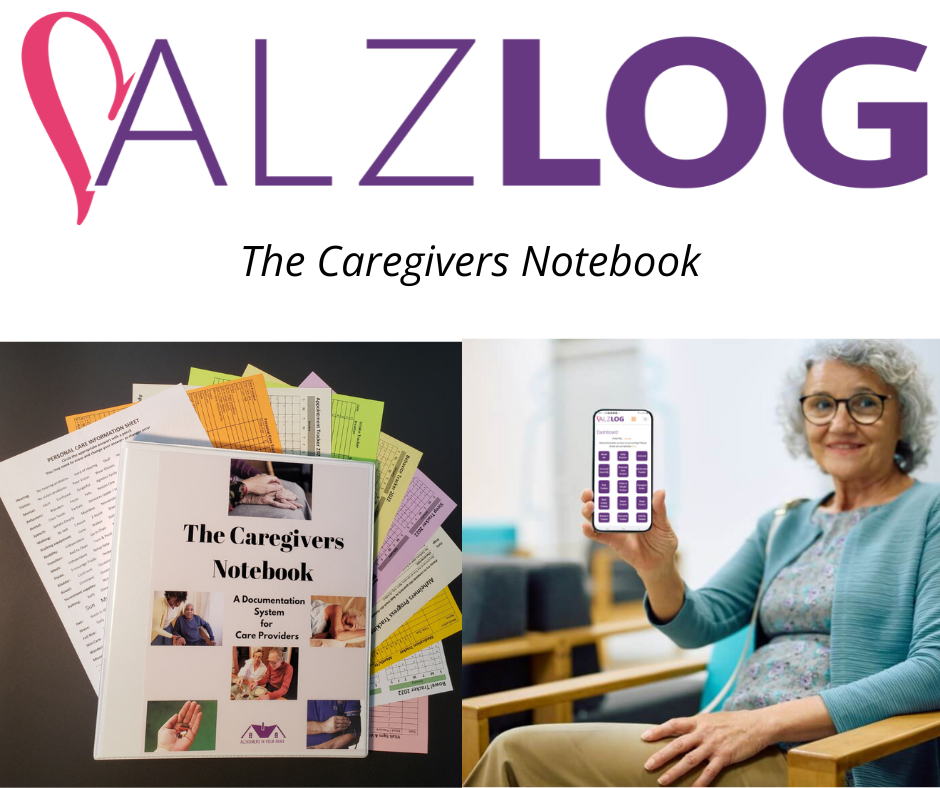
Stay One Step Ahead of Dementia
Track dementia stages and ensure your loved one’s safety and well-being
Conclusion
Dealing with agitation and anxiety in Alzheimer’s or dementia care can feel overwhelming, especially when it shows up suddenly or keeps repeating. These behaviors are not intentional—they are signs of a brain that is struggling to make sense of the world. When you understand that, it becomes a little easier to respond with calm instead of frustration.
Small changes really do matter. Paying attention to triggers, sticking to simple routines, meeting basic needs, and offering reassurance can often ease agitation before it escalates. Some days will go better than others—and that’s okay. Dementia care is not about perfection; it’s about doing the best you can in the moment.
Just as important, remember that you matter too. Caregiving is hard work, both emotionally and physically. Taking breaks, asking for help, and giving yourself grace are not signs of weakness—they are signs of wisdom. You were never meant to do this alone.
If today was a tough day, take a deep breath. You showed up. You cared. And that is enough. 💛
Feel free to explore our Article Library for more information and resource
Exploring Caregiving Tools & Resources? Don't Forget to Check Out My Resource Page!🌟
Hi, I’m Larea, a Registered Nurse, Faith Community Nurse, and Certified in Dementia Care with 30 years of experience supporting families living with Alzheimer’s and other dementias. Both of my parents have Dementia, so I understand the journey personally as well as professionally. My heart is in helping family caregivers feel supported, prepared, and confident every step of the way.