

Alzheimer’s & Dementia Bath Guide
Bathing can be one of the biggest challenges in Alzheimer’s & dementia care. This guide will help you understand why your loved one may resist bathing, offer tips to make the process smoother, and suggest helpful items that can keep bath time safer and more comfortable for both of you.

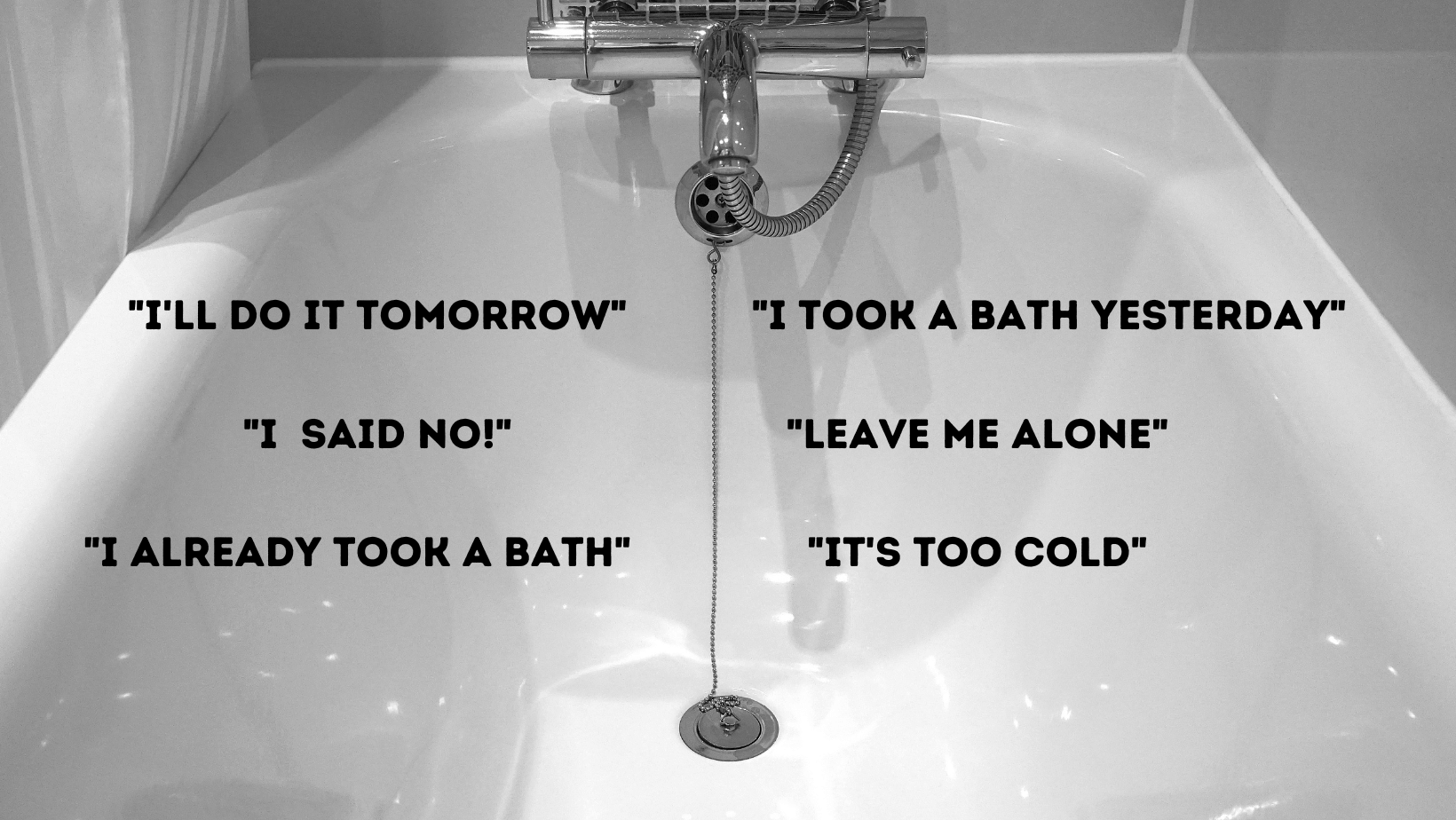
Why do those with Dementia Resist bathing?
Bathing resistance often begins in the middle stages of dementia, and it can stem from a mix of fears, discomforts, and sensitivities, including:
-
Bathing resistance often begins in the middle stages of dementia. It usually comes from a mix of fears, discomforts, and sensitivities:
- Fear of Water: Changes in depth perception make it hard to judge water depth. Showers or tubs can look scary, and anxiety about falling adds to the fear.
- Emotional Discomfort: Bathing feels very personal. Someone with dementia may not recognize you or may feel embarrassed about being seen undressed.
- Physical Sensitivities: Cold, skin irritation, pain, or even the sound and feel of water can make the experience uncomfortable and overwhelming.
Discover the Key to Understanding Alzheimer's & Dementia
💡 Alzheimer’s & Dementia can feel overwhelming, but when you understand what’s happening, patience becomes easier.
The Understanding-Dementia Course gives you the tools to prepare, cope, and care with more peace.

Tips to Ease the Process
- Routine is Key: Stick with the same time of day they’re used to bathing (morning shower, evening bath, etc.).
- Gentle Language: Avoid words like bath or shower. Try freshen up, wash up, or let’s clean up together. Saying “we” instead of “you” helps them feel less singled out.
- Small Motivations: Use natural prompts like:
- “Let’s wash up before breakfast.”
- “We’ll feel so much better after freshening up.”
- “We’re expecting company later.”

Dementia bathing tips for success
- Go slowly and allow plenty of time.
- Use short, step-by-step instructions (two to three words at a time).
- Keep them involved—let them wash what they can.
- Praise each step they complete.
- If nervous, give them a washcloth to hold for comfort.
- Explain what you’re doing before you do it to avoid startling them.
- Cover only one body area at a time to protect dignity.
- Have all supplies ready—soap, towels, shampoo, clean clothes, briefs/pull-ups.
- Place a towel on a cold toilet seat if they’ll sit during the process.
- If it’s too difficult, consider help from a home aide a few times a week.
💡 Tip: A full bath/shower 2–3 times a week is usually enough, with daily washing of the face and private areas.

🛁 Caregiver Bath Checklist
Bath time doesn’t have to feel overwhelming. I’ve created this simple one-page checklist to help you prepare ahead, stay calm during, and keep things safe afterward.
👉 Print it out, keep it in the bathroom, or save it to your phone for a quick reminder whenever you need it.
This checklist includes:
-
What to do before you start
-
Step-by-step tips for during bathing
-
The most helpful equipment to keep on hand
-
After-bath reminders to keep your loved one warm and comfortable
💛 You don’t have to remember everything on your own—this guide is here to support you every step of the way.
helpful equipment for Dementia Bathing
Grab Bars and Non-Slip Mats:
Grab bars and non-slip mats are vital safety tools for preventing falls, particularly for individuals with dementia who may feel unsteady or are prone to balance issues. Installing grab bars in key areas—such as beside the toilet, along the bathtub wall, and within the shower stall—gives your loved one stable surfaces to hold onto as they move in and out of the bathing area.
Similarly, non-slip mats in the shower, tub, and bathroom floor prevent slipping on wet surfaces, adding an extra layer of protection.
You can find this grab bar HERE.
Use a shower chair/ Tub Transfer Bench:
Overhead showers and deep bathtubs can be overwhelming and frightening.
Using a shower chair will make them feel more secure and help prevent falls.
Showers are the preferred method for a Dementia bath for almost all caregivers. Bathtubs become difficult to get in and out, especially if they are weak and unable to follow commands very well.
There are several types of shower chairs on the market. The tub transfer bench to work the best for homes with a tub/shower combo. It allows them to sit on the bench before getting into the tub and slide over.
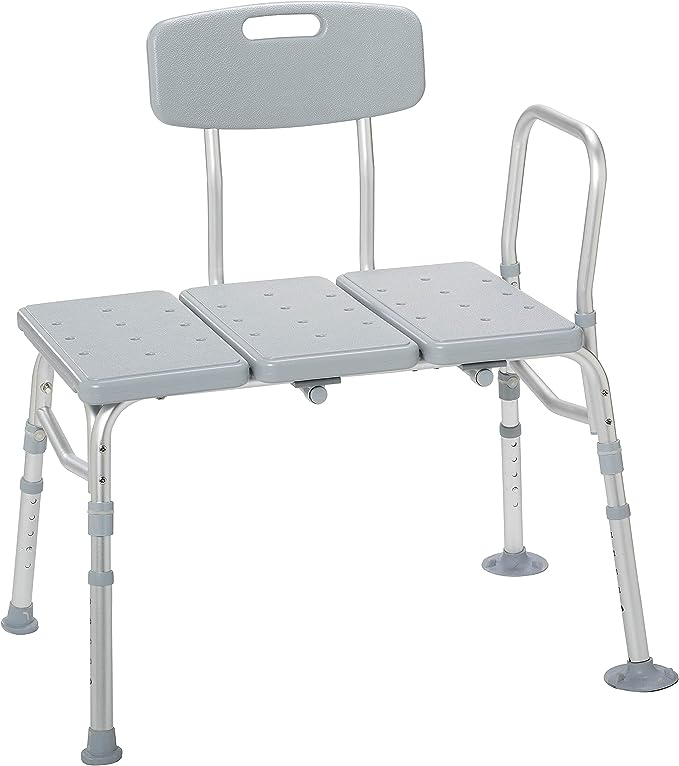
You can find this Tub Transfer Bench HERE.
Invest in a handheld shower sprayer!
A handheld sprayer can be less intimidating than an overhead shower, as you can better control water flow, keep it out of their face, and reduce noise.
This is the type of showerhead I recommend. It works well for the household. The rest of the family has a regular shower, and the handheld sprayer is easy to lift off for the Dementia bath.

You can find this handheld sprayer HERE.
types of Dementia baths
Toilet washup: is easy and often used when the patient is sitting on the toilet. It is relatively easy to get to all parts of the body. Guiding them to wash their face and body parts they can reach keeps them involved.
Tub baths: May work early on but get harder as mobility declines.
Shower: Often the preferred method, especially with a shower chair.
Bath wipes: A gentle option, especially if they’re uncomfortable with water. Most hospitals have switched over to bath wipes.
Bed bath: For late stages when they can’t get out of bed.
Alternate body part: Focus on one area each day for a complete clean over a week.
Late-Stage Bathing: Keeping Comfort and Dignity
During later stages, baths usually become sponge baths in bed. Remember to:
- Create a Calm Setting: Use soft music and dim lights if possible.
- Preserve Warmth and Privacy: Only expose the area you’re washing to keep them warm and maintain their dignity.
- Keep Them Warm: Use warm water, extra blankets, and quick towel-drying.


Your Roadmap Through Alzheimer's & Dementia Care
✨ The more you understand dementia, the more patience you’ll have for the journey.
That’s why I created the Understanding Dementia Course — to help you gain both clarity and compassion.
More Help with Bathroom Challenges 🚽
Bathing is only one part of the bathroom struggles caregivers face. From accidents to incontinence, these challenges can feel overwhelming—but you don’t have to face them alone.
👉 For more tips and practical strategies, check out my blog: How to Manage Bathroom Challenges in Dementia Care
This guide covers the everyday issues caregivers run into and offers solutions to make bathroom care safer and less stressful for both you and your loved one.
Conclusion
Bathing can feel routine to us, but for someone with dementia it may feel scary, uncomfortable, or embarrassing. With patience, the right tools, and a gentle approach, you can turn bath time into a calmer and safer experience. Even small adjustments can make a big difference in keeping your loved one clean, comfortable, and dignified.
Hi, I’m Larea, a Registered Nurse, Faith Community Nurse, and Certified in Dementia Care with 30 years of experience supporting families living with Alzheimer’s and other dementias. Both of my parents have Dementia, so I understand the journey personally as well as professionally. My heart is in helping family caregivers feel supported, prepared, and confident every step of the way.






0 Comments