
Caring for someone with dementia is a journey filled with challenges, especially when it comes to managing symptoms like anxiety, agitation, and sleep problems. These issues can make life difficult not only for the person living with dementia but also for their caregiver.
That’s why many caregivers are curious about alternative options, including marijuana (cannabis). In support groups, you may have heard stories about CBD oil, gummies, or medical cannabis helping loved ones rest better or feel calmer. But is marijuana really a safe and effective option in dementia care? Let’s look at what the research says, the risks, and what caregivers need to know.
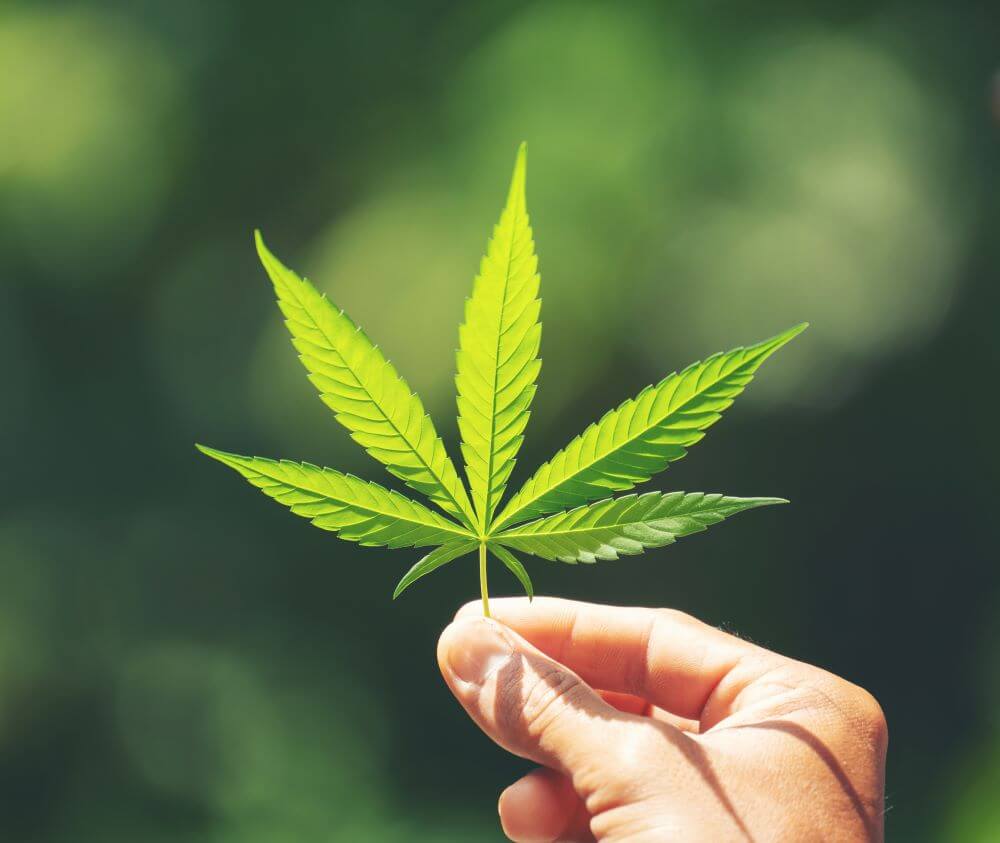
What is Marijuana?
Marijuana comes from the cannabis plant and contains over 100 chemical compounds called cannabinoids. The two most studied are:
-
THC (tetrahydrocannabinol): The psychoactive compound that produces the “high.”
-
CBD (cannabidiol): A non-psychoactive compound that may promote relaxation and better sleep without altering the mind.
Prescription forms of cannabis have been around for decades. For example, Marinol (dronabinol) was FDA-approved in 1985 to stimulate appetite in older adults and cancer patients. Now, researchers are studying whether cannabis can also help with dementia symptoms like agitation and sleep disturbance.

Can Marijuana Help Alzheimer’s & Dementia Patients?
🛌 Improving Sleep Quality
Sleep problems are very common in dementia—restlessness, nighttime wandering, or frequent waking can leave both patients and caregivers exhausted.
-
Early research suggests CBD may help people fall asleep faster and stay asleep longer.
-
THC may also promote sleep, but higher doses can sometimes worsen confusion, hallucinations, or daytime drowsiness in people with dementia.
😟 Reducing Anxiety & Agitation
CBD interacts with receptors in the brain that regulate stress and mood. Studies and caregiver reports suggest it may:
-
Calm agitation and aggression.
-
Reduce anxiety, making daily life more manageable.
💥 Adding Pain Relief to the List of Benefits
Chronic pain is another challenge in dementia care that often worsens sleep and behaviors. Many doctors are now encouraging the use of cannabis—not only for anxiety and sleep—but also for pain control.
-
Caregivers report that low-dose cannabis can ease aches and discomfort, which improves mood and rest.
-
A 2023 study found cannabinoids could be safely administered to dementia patients with painful symptoms when prescribed and monitored carefully.
-
For some families, cannabis has reduced the need for stronger medications like opioids, which carry more risks in older adults.
🍽 Supporting Appetite
Loss of appetite and weight loss are common in dementia. Low-dose THC has been studied for its ability to stimulate appetite, but this is usually a secondary goal after addressing agitation, pain, or sleep.
Discover the Key to Understanding Alzheimer's & Dementia
💡 Alzheimer’s & Dementia can feel overwhelming, but when you understand what’s happening, patience becomes easier.
The Understanding-Dementia Course gives you the tools to prepare, cope, and care with more peace.

Research
The science is still developing, but here are the highlights:
-
Agitation relief: A 2024 Johns Hopkins trial found that dronabinol (a synthetic THC pill) reduced agitation in people with Alzheimer’s disease by about 30%, with fewer side effects than antipsychotics.
-
Cognitive risks: Long-term, heavy cannabis use has been linked to problems with learning, memory, and attention. Brain scans show smaller hippocampal volumes in some heavy users—the very brain area needed for memory.
-
Possible dementia risk: A large 2024 Canadian study found adults over 45 who had a hospital visit related to cannabis use were at increased risk of dementia within 5 years. This may not apply to careful, medical use, but it’s an important caution.
-
Pain management: Studies show cannabinoids may safely relieve painful symptoms in dementia, potentially improving quality of life.
-
Animal studies: Earlier studies suggested THC could reduce brain inflammation and CBD might protect brain cells, but most of this research is not yet proven in humans.
In short: cannabis may help some dementia symptoms, but it is not a cure, and the long-term safety in older adults is still uncertain.

Potential Risks of Marijuana in Dementia Care
Like any treatment, marijuana has side effects. These can include:
-
Dry mouth, dizziness, or red eyes.
-
Increased heart rate.
-
Impaired balance and coordination → higher fall risk.
-
Worsening confusion, paranoia, or hallucinations, especially with THC.
Cannabis can also interact with common dementia medications, so it’s essential to discuss use with a healthcare provider.
Legal Considerations
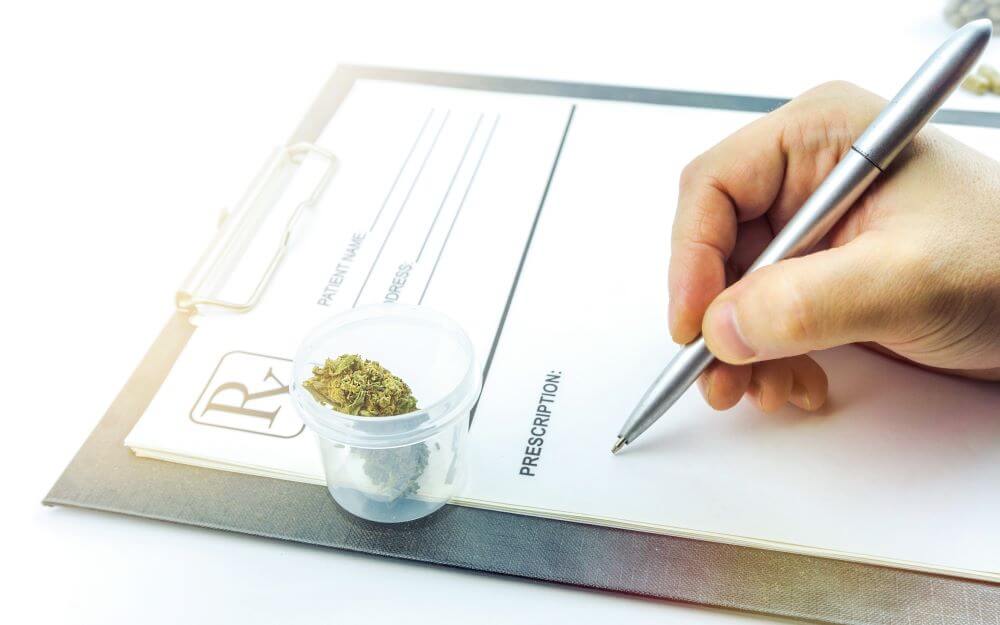
Marijuana laws vary widely by state.
-
Some states allow medical use (with a card and doctor’s recommendation), while others allow recreational use.
-
At the federal level, marijuana is still classified as illegal.
-
Always purchase from a licensed dispensary, and keep cannabis safely stored away from children and vulnerable adults.
You can check your state’s rules here: NORML State Medical Marijuana Laws.

Alternatives to Try Alongside (or Instead of) Marijuana
If you’re not ready to explore cannabis, or if your loved one has bad reactions, there are many safe, non-drug options that can also help with sleep, pain, and behaviors:
-
Music therapy – Soothes restlessness and reduces agitation.
-
Pet therapy – Brings comfort and joy, lowering anxiety.
-
Art activities – Encourage self-expression and relaxation.
-
Massage therapy – Gentle touch can ease stress, pain, and improve sleep.
-
Aromatherapy – Scents like lavender can promote calm and rest.
These approaches can be combined with or without medications for a holistic plan.
Dementia Marijuana Information Resources
If you are thinking about trying marijuana for your loved one, I recommend you learn more about it. Here is a resource you may find helpful. This video features Eloise Theisen, NP, AGPCNP-BC:
Cannabis Use for Symptom Management in Dementia/Alzheimer Patients.
In this presentation from CannMed 2022, Nurse Practitioner Theisen shares case studies and insights from her work with assisted living communities. It’s a great resource for understanding how cannabis is being used in real-world dementia care.
Final Thoughts
For some families, cannabis has been a helpful tool for easing agitation, improving sleep, and controlling pain in dementia care. Others find it worsens confusion or simply doesn’t help.
The key is to:
-
Start with small, cautious doses under medical guidance.
-
Monitor carefully for side effects like falls, paranoia, or excessive sleepiness.
-
Remember that cannabis is not a cure, but one possible piece of the care puzzle.
Above all, the goal is helping your loved one feel safe, calm, comfortable, and well-rested—and giving you, the caregiver, a little more peace of mind.
✨ Next Step for Caregivers: If you’re considering marijuana for dementia care, talk with your loved one’s healthcare provider about risks, benefits, and safer alternatives. And remember—sometimes the simplest remedies, like music before bedtime or a calming routine, can make just as big a difference.
Hi, I’m Larea, a Registered Nurse, Faith Community Nurse, and Certified in Dementia Care with 30 years of experience supporting families living with Alzheimer’s and other dementias. Both of my parents have Dementia, so I understand the journey personally as well as professionally. My heart is in helping family caregivers feel supported, prepared, and confident every step of the way.