
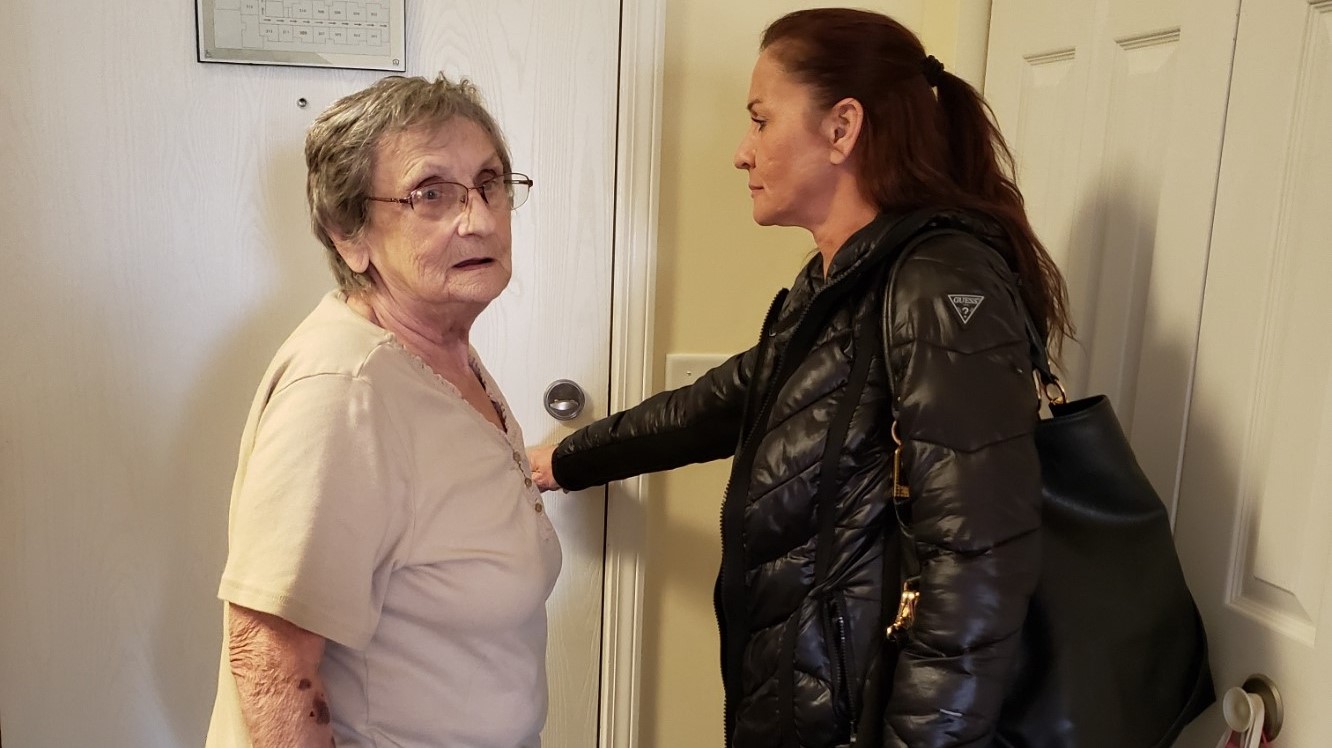

Why Dementia Patients Follow Caregivers Everywhere (Dementia Shadowing Explained)
Imagine waking up in a world that feels strange and unfamiliar. You’re not sure where you are, who’s around you, or what you’re supposed to do next. The rooms look familiar, but something feels off. The routine that once made sense is gone. It’s confusing and frightening.
Then you see someone nearby. You may not remember their name or exactly how you know them, but something about them feels safe. Their voice sounds comforting. Their presence makes the world feel a little less scary. Instinctively, you stay close to them because they are the only thing that feels steady in a world that suddenly doesn’t make sense.
This is often what dementia shadowing feels like for your loved one.
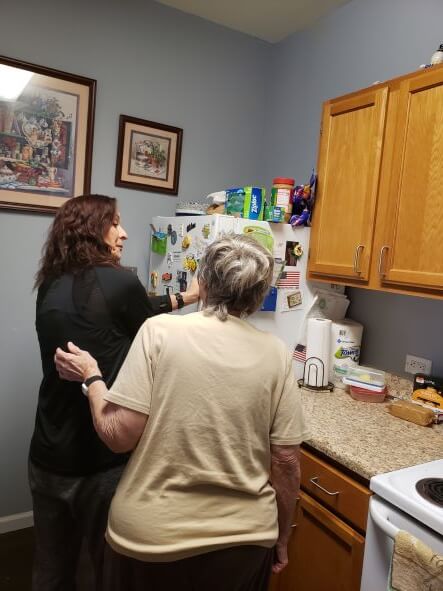
Shadowing happens when a person with dementia follows their caregiver everywhere—from room to room, into the kitchen, into the bathroom, out to the mailbox, and sometimes even standing outside the shower. They may become anxious or upset if they cannot see you. The behavior can feel overwhelming for caregivers, especially when you can’t seem to get even a few minutes of privacy.
Caregivers often refer to this behavior as dementia shadowing, because the person follows them closely like a shadow throughout the day.
But most of the time, shadowing is not stubbornness or attention-seeking. It usually comes from fear, confusion, and the need for reassurance. As dementia changes the brain, the person may struggle to understand their surroundings or remember what they were doing. Staying close to a trusted caregiver helps them feel safe and grounded in a world that feels increasingly uncertain.
Understanding why shadowing happens can help caregivers respond with more patience and compassion—and find ways to make daily life a little easier for both of you.
Key Takeaways About Dementia Shadowing
💜 Shadowing is a common dementia behavior.
A person with dementia may follow their caregiver everywhere because the caregiver represents safety and reassurance in a confusing world.
💜 The behavior usually comes from fear and anxiety.
Memory loss and confusion can make the environment feel unfamiliar. Staying close to a trusted person helps reduce that fear.
💜 Shadowing often appears in the middle stages of dementia.
As the disease progresses and independence decreases, the person may become more dependent on a caregiver for comfort and guidance.
💜 Certain triggers can make shadowing worse.
Changes in routine, illness, new caregivers, fatigue, or overstimulating environments can increase anxiety and cause the person to cling more closely.
💜 Caregivers can help reduce shadowing with reassurance and routine.
Predictable daily schedules, calm communication, and simple activities can help your loved one feel more secure.
What Is Shadowing in Dementia?
Shadowing is a common behavior seen in people living with Alzheimer’s disease and other types of dementia. The term refers to when a person follows their caregiver closely throughout the day, much like a shadow following a person in the sunlight.
A loved one who is shadowing may walk behind you from room to room, sit right next to you while you are working, or become distressed if you leave their sight even briefly. Some caregivers describe feeling like they have a “constant companion,” while others notice their loved one hovering nearby during everyday tasks like cooking, folding laundry, or answering the phone.
This behavior usually happens because dementia affects memory, reasoning, and a person’s sense of security. As the disease progresses, the world can feel confusing and unpredictable. The caregiver becomes a familiar anchor, someone the person instinctively relies on to feel safe.
While shadowing can feel exhausting for caregivers, it is usually a sign that your loved one is seeking comfort and reassurance, not trying to cause frustration.

When Does Dementia Shadowing Begin?
Shadowing most often begins during the middle stages of dementia, when memory loss and confusion start to increase. At this stage, your loved one may still recognize familiar people and places, but their ability to understand what is happening around them becomes less reliable.
For many caregivers, the change starts gradually. At first, your loved one may simply begin hovering nearby while you move around the house. They might sit closer to you than usual or wait outside the doorway while you step into another room.
Over time, the behavior can become more intense. Some caregivers notice their loved one following them from room to room throughout the day. Others describe their loved one waiting outside the bathroom door or becoming anxious if they cannot immediately see where the caregiver has gone.
Even when other family members or trusted helpers are nearby, the person with dementia may insist on staying close to one specific caregiver.
When this begins happening, many caregivers naturally feel confused or frustrated.
“Why are they doing this?”
What Triggers Dementia Shadowing?
Several factors can increase or intensify shadowing behavior in dementia. These triggers usually relate to anxiety, confusion, or changes in the person’s environment.
💜 New Caregivers or Helpers
When new caregivers, aides, or visiting family members come into the home, your loved one may suddenly cling to you even more.
Even kind and well-trained helpers can feel unfamiliar to someone with dementia. Because of this, your loved one may stay close to the person they trust the most—you.
💜 Disruptions in Routine
Routine acts like a map for someone living with dementia. It helps them understand what comes next in their day.
Even small changes in routine can make the person feel disoriented. When the day feels unpredictable, staying close to a caregiver may feel like the safest choice.
💜 Illness, Infections, or Increased Confusion
Physical issues can cause shadowing to suddenly worsen.
Things like urinary tract infections (UTIs), dehydration, lack of sleep, medication changes, or feeling physically unwell can increase confusion and anxiety.
When this happens, caregivers sometimes notice shadowing behavior increasing almost overnight.
💜 Overstimulation or Too Much Noise
Busy environments can feel overwhelming for someone with dementia.
Loud televisions, crowded gatherings, or multiple conversations happening at once may cause the person to move closer to the caregiver for comfort and reassurance.
How Caregivers Can Handle Dementia Shadowing
When shadowing begins, it can feel overwhelming. Many caregivers say they feel like they cannot move around their home without someone following behind them.
While shadowing can be exhausting, there are ways to reduce the anxiety that causes it.
💜 Reassure Them Before Leaving the Room
Let your loved one know where you are going.
Simple statements like “I’m going to the kitchen for a minute. I’ll be right back.” can help them feel more secure.

💜 Create a Predictable Routine
Routine helps someone with dementia feel more stable. When meals, activities, and bedtime happen at roughly the same time each day, it reduces confusion and anxiety.

💜 Offer Simple Activities
Giving your loved one a small task can redirect their attention.
Examples include:
• folding towels
• sorting socks
• looking through photo albums
• helping set the table
💜 Keep Them Within Sight When Possible
Sometimes shadowing decreases if the person can still see you while you move around the house.
They may sit at the table while you cook or watch television while you fold laundry nearby.
💜 Watch for Times When Anxiety Increases
Shadowing often becomes worse when the person is tired, overwhelmed, or confused.
Late afternoon and evening can be especially challenging for many families.
Frequently Asked Questions About Dementia Shadowing
Is shadowing common in dementia?
Yes. Many people with dementia follow their caregiver closely because the caregiver helps them feel safe and secure.
Why does my loved one follow me everywhere?
Dementia can make the world feel confusing. Staying near a trusted person helps reduce anxiety.
Does shadowing get worse as dementia progresses?
It can increase as confusion and dependence grow.
Is shadowing dangerous?
Shadowing itself is not dangerous, but it can increase caregiver stress and sometimes raise fall risks if the person follows too closely.
Can shadowing be reduced?
Routine, reassurance, and simple activities often help reduce anxiety-driven shadowing.
Related Dementia Care Articles
If you are seeing shadowing behavior, these articles may also help you better understand other changes that often happen with dementia:
• What You Need to Know About Dementia Agitation – Common triggers for agitation and ways caregivers can respond calmly.
• From Chaos to Calm: How to Use Routine in Dementia Care – How predictable routines can reduce anxiety and confusion.
• The Truth About Arguing with Someone With Dementia – Understanding why they argue and how caregivers can handle it with patience.
• What You Need to Know About Dementia Hallucinations – Why hallucinations happen and what caregivers can do.
Helpful Resources for You
Here are three tools that can make this part of the journey easier:
💜 Understanding Dementia Course
Learn the stages, behaviors like shadowing, and how to respond with more confidence.
Perfect for when you’re wondering what’s coming next.
👉 Link: Understanding Dementia Course
💜 Alzlog Caregiver’s Notebook
Track changes, document behaviors like shadowing, prepare for doctor visits, and organize daily care—all in one place.
👉 Link: Alzlog The Caregiver’s Notebook
💜 The Top 10 Most Helpful Tips for Alzheimer’s & Dementia Caregivers
Quick, practical advice you can use today.
👉 Link: The Top 10 Most Helpful Tips for Alzheimer’s and Dementia Caregivers
These resources give you support, structure, and peace of mind—especially during challenging behaviors like shadowing.
Final Thoughts for Caregivers Experiencing Shadowing
If your loved one with dementia follows you everywhere, you are not alone. Shadowing is one of the more common behaviors families experience as dementia progresses.
It can feel exhausting, especially when it seems like you never get a moment to yourself.
But it can help to remember what shadowing usually represents.
Your loved one is not trying to make life difficult. In their mind, the world has become confusing and unpredictable. Familiar routines have faded, memories slip away, and everyday tasks no longer make sense.
In the middle of all that uncertainty, you are the one thing that still feels safe.
You are their anchor.
Their guide.
Their reassurance in a world that no longer feels familiar.
Understanding this doesn’t make shadowing easy, but it can help caregivers respond with patience and compassion.
And remember—you deserve support too. Caregiving is not meant to be done alone.
Hi, I’m Larea, a Registered Nurse, Faith Community Nurse, and Certified in Dementia Care with 30 years of experience supporting families living with Alzheimer’s and other dementias. Both of my parents have Dementia, so I understand the journey personally as well as professionally. My heart is in helping family caregivers feel supported, prepared, and confident every step of the way.







0 Comments