
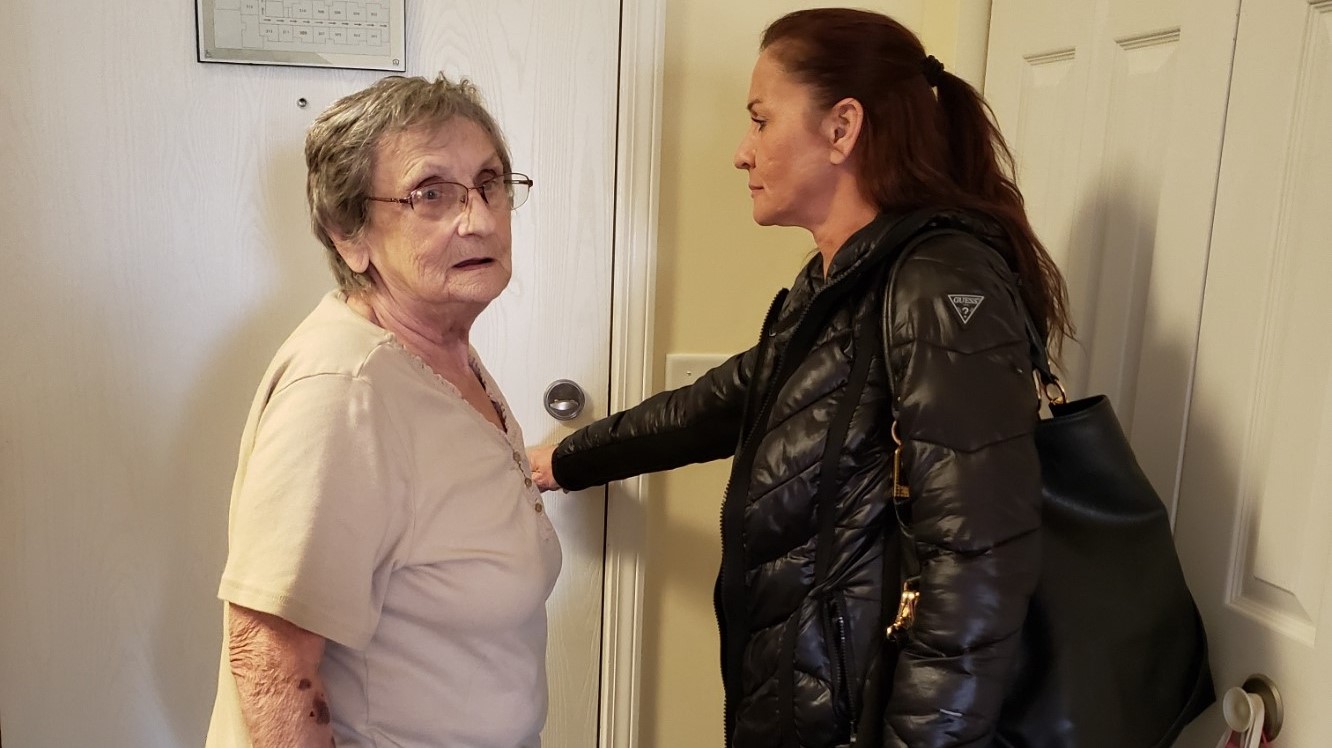

Why Your Loved One Follows You Everywhere
Imagine waking up in a world that feels strange and unfamiliar. You’re not sure where you are, who’s around you, or what to do next. It’s terrifying. But then you spot someone who makes you feel safe—not because you remember their name, but because something about them feels familiar and comforting. Staying close to them feels like the only way to get through the day.
This is often what Dementia Shadowing feels like for your loved one.
Shadowing happens when a person with dementia follows their caregiver nonstop—from room to room, into the bathroom, into the yard, and sometimes even standing outside the shower. It can be exhausting, but it comes from fear, confusion, and the instinct to stay close to the only person who helps them feel grounded.
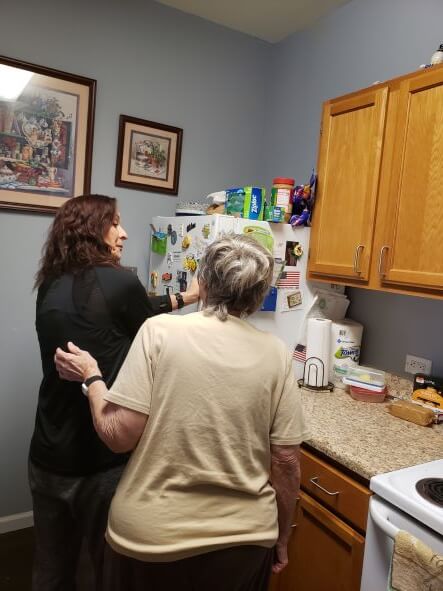

When Does Dementia Shadowing Begin?
Shadowing usually shows up during the middle stages of dementia. It often starts slowly—maybe they begin hovering nearby or waiting outside the doorway. Then it becomes more intense, to the point where they won’t leave your side even with familiar family members around.
At first, many caregivers feel frustrated or confused:
“Why are they doing this?”
“Are they trying to drive me crazy?”
No. What you’re seeing is fear.
You are their anchor. Their lifeline. Their compass in a world that’s slipping away.
Once you see their behavior through the lens of fear instead of irritation, everything changes. You can respond in a way that feels calmer and more compassionate for both of you.
What Triggers Dementia Shadowing?
Several factors can intensify dementia shadowing:
💜 New caregivers or helpers
New faces—even kind, well-trained ones—can make your loved one cling to you even more. It’s normal to see an increase in shadowing when helpers come in or when family rotates in and out.
💜 Disruptions in routine
Routine is the “map” someone with dementia uses to navigate their day. Even small changes can feel like the ground is shifting beneath them.
💜 Illness, infections, or extra confusion
A UTI, lack of sleep, dehydration, or feeling unwell can make shadowing spike almost overnight.
💜 Overstimulation or too much noise
A chaotic environment can send them right to your side for comfort.
How to Gently Reduce Dementia Shadowing
You may not be able to stop shadowing fully, but you can soften it. Here are some caregiver-tested ways to bring more peace into the day:
Stick to a Predictable Routine
Routines give the brain a break. When your loved one knows what’s coming next, their anxiety lowers. Even simple things—like breakfast at the same time and a morning walk—can help.
Give Reassurance Often
Your voice is powerful. Saying things like:
- “You’re safe.”
- “I’m here.”
- “I’m not leaving you.”
…can calm their nervous system more than you realize. Even talking or humming from another room helps them feel connected.
Offer Meaningful, Hands-On Activities
Simple tasks help distract the mind and give a sense of purpose:
- Folding towels
- Sorting buttons
- Wiping off the table
- Looking through picture books
- Matching socks
Little tasks can buy you small pockets of breathing room.

Use Music to Create Calm
Music reaches parts of the brain that dementia can’t touch. Try:
- Calm background music
- Familiar old hymns
- Nature sounds
- A playlist of their favorite songs
Over-the-ear headphones can help them stay engaged longer.
Snacks That Keep Their Hands Busy
Snacks like Chex Mix, popcorn, Cheerios, or soft candies help redirect anxious energy—just make sure the texture is safe for their swallowing ability.
Use Family Videos for Comfort
Short, familiar home videos can calm someone who feels anxious or clingy. A private YouTube playlist works beautifully.
Your Needs Matter Too
Shadowing can drain you emotionally, mentally, and physically. It’s okay to admit that being followed all day is overwhelming.
Caregiver burnout becomes real very quickly if you don’t protect your own health.
Say yes when help is offered.
Use respite when you can.
Take breaks without guilt—your loved one needs you healthy.
And if you’re feeling lost about the changes you’re seeing, you’re not alone.
Helpful Resources for You
Here are three tools that can make this part of the journey easier:
💜 Understanding Dementia Course
Learn the stages, behaviors like shadowing, and how to respond with more confidence.
Perfect for when you’re wondering what’s coming next.
👉 Link: Understanding Dementia Course
💜 Alzlog Caregiver’s Notebook
Track changes, document behaviors like shadowing, prepare for doctor visits, and organize daily care—all in one place.
👉 Link: Alzlog The Caregiver’s Notebook
💜 The Top 10 Most Helpful Tips for Alzheimer’s & Dementia Caregivers
Quick, practical advice you can use today.
👉 Link: The Top 10 Most Helpful Tips for Alzheimer’s and Dementia Caregivers
These resources give you support, structure, and peace of mind—especially during challenging behaviors like shadowing.
Every Person Is Different
There’s no one-size-fits-all answer in dementia care. Some things will work beautifully for your loved one, and some things won’t. That doesn’t mean you’re doing anything wrong.
You are learning—step by step—how to care for someone whose world is slowly changing.
Give yourself grace.
Give yourself breaks.
And remember: you’re doing one of the hardest jobs in the world.
Final Thoughts: Compassion Over Perfection
Dementia shadowing is tough. It can feel smothering and emotionally draining. But it comes from a deep place of fear and confusion—not stubbornness.
Your loved one isn’t trying to control you.
They’re trying to survive a world that no longer makes sense.
With routine, reassurance, simple activities, and plenty of patience, you can help them feel safer—and help yourself breathe a little easier too.
Hi, I’m Larea, a Registered Nurse, Faith Community Nurse, and Certified in Dementia Care with 30 years of experience supporting families living with Alzheimer’s and other dementias. Both of my parents have Dementia, so I understand the journey personally as well as professionally. My heart is in helping family caregivers feel supported, prepared, and confident every step of the way.






0 Comments