


Welcome to a topic that’s close to my heart — finding ways to bring more joy and connection to our loved ones with dementia. 💜
The road can be tough, but there’s something simple and powerful we can do every day to make it brighter: engaging activities.

💡 Why Activities Matter So Much
When dementia enters the picture, life can feel like uncharted waters. But engaging activities are like little life rafts — small, steady moments that keep us connected and afloat.
These activities aren’t just nice extras. They’re essential for maintaining quality of life. Here’s why:
🧠 They keep the mind active.
Think of the brain like a muscle — it needs exercise to stay strong. Activities such as puzzles, singing, or games help stimulate thinking, memory, and problem-solving.
😊 They bring joy and comfort.
There’s nothing like seeing your loved one’s face light up while doing something familiar. These small moments can turn even hard days into brighter ones.
🤝 They foster connection.
Dementia can be isolating, but activities bridge that gap. Whether you’re looking through old photos or dancing to a favorite tune, these moments rebuild connection and belonging.
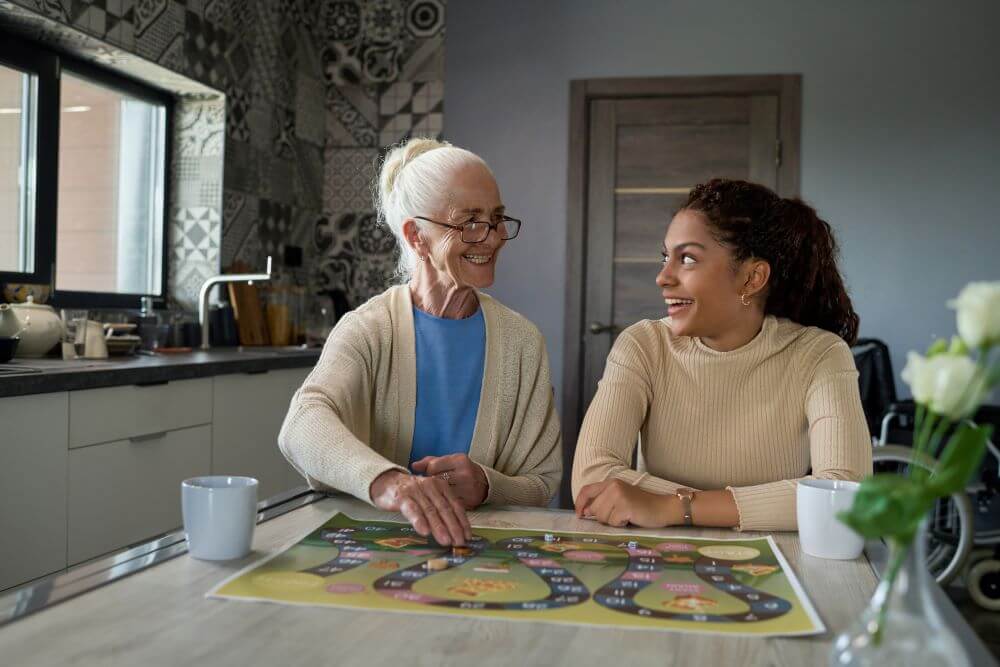
🌸 How Activities Boost the Brain, Heart, and Spirit
Engaging activities work like superfoods for both brain and soul.
Cognitive Function:
Activities that challenge the mind — puzzles, art, or learning a song — help keep neurons firing and thinking skills sharper.
Emotional Well-Being:
Doing something enjoyable releases “feel-good” chemicals that lift mood and ease anxiety. Even simple things like painting or gardening can create calm and joy.
Social Interaction:
Laughter and shared experiences reduce loneliness. Every chat, memory shared, or laugh during a game helps your loved one feel part of the world again.
Your Roadmap Through Alzheimer's & Dementia Care
✨ The more you understand dementia, the more patience you’ll have for the journey.
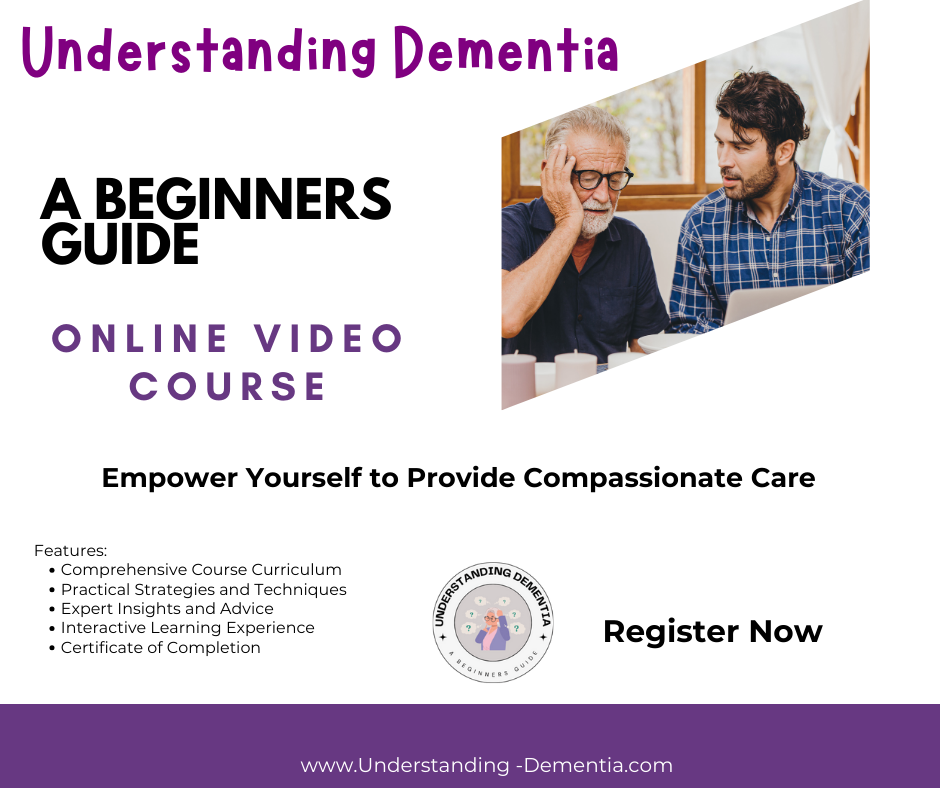
That’s why I created the Understanding Dementia Course — to help you gain both clarity and compassion.
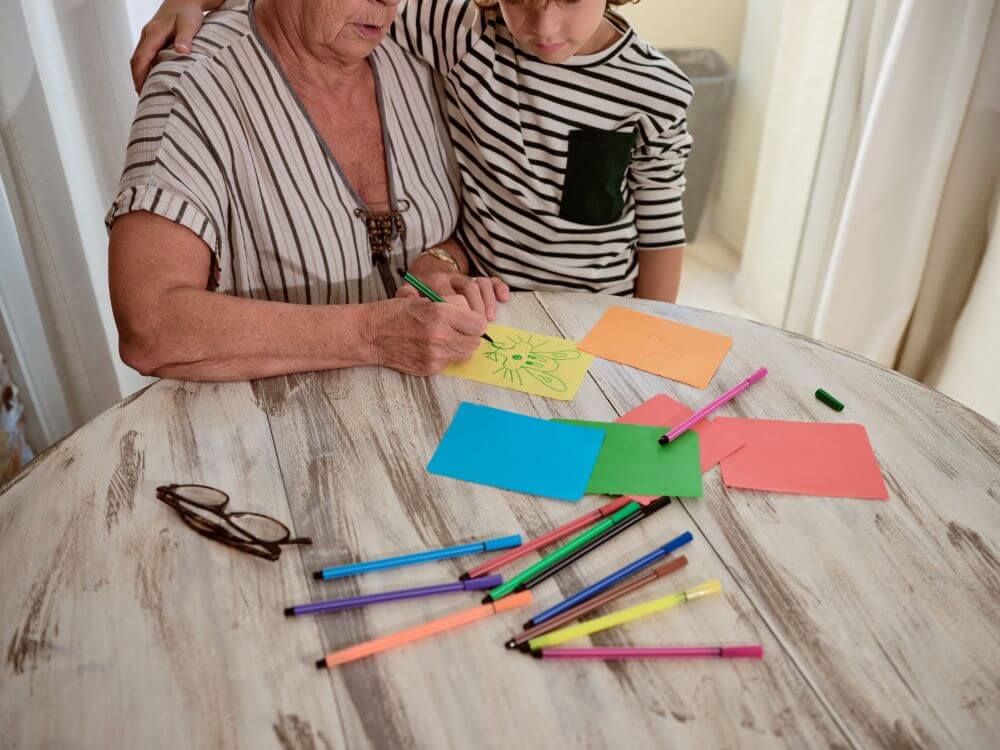
🧵 Making Activities Personal
One size doesn’t fit all. The best activities are the ones that feel right for your loved one.
- 🌿 Nature Lovers: gardening, watering plants, or bird-watching.
- 🎶 Music Lovers: creating playlists, humming along, or dancing together.
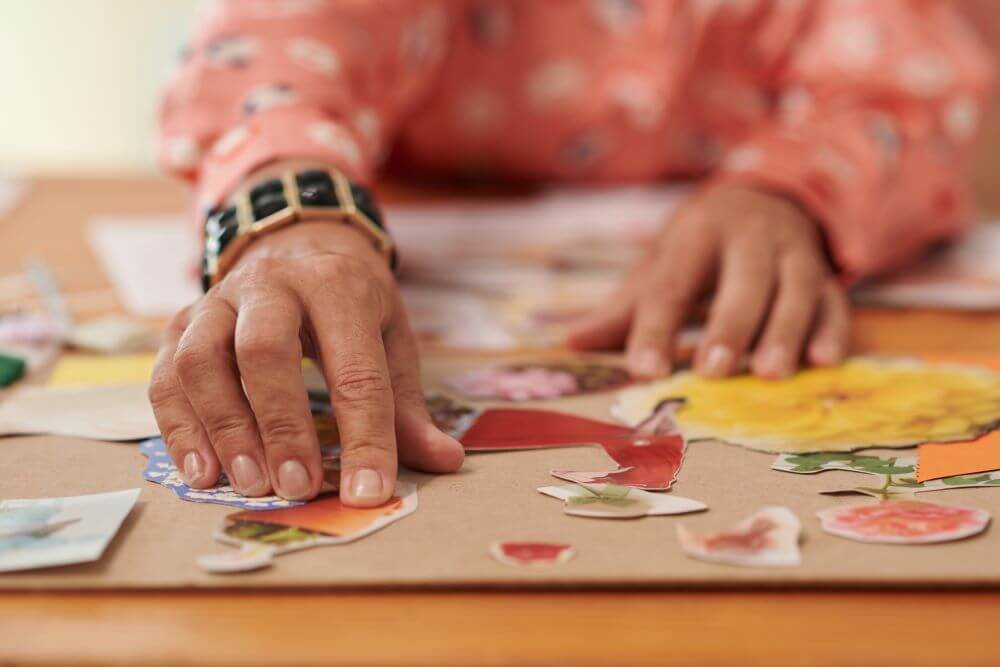
- 🎨 Creative Souls: painting, coloring, or crafting simple projects.
These activities connect to who they are — not just who they were — and bring out comfort, familiarity, and purpose.
I’ve created three easy-to-follow infographics that show activity ideas for each stage of dementia — Early, Middle, and Late.
These visuals come straight from my Understanding Dementia Course and are designed to help you choose activities that match your loved one’s abilities at each stage.
Each one highlights ways to bring more joy, calm, and connection into your loved one’s day. 💜
👉 Click on any of the infographics below to open them in a larger view so you can read or save them for later.
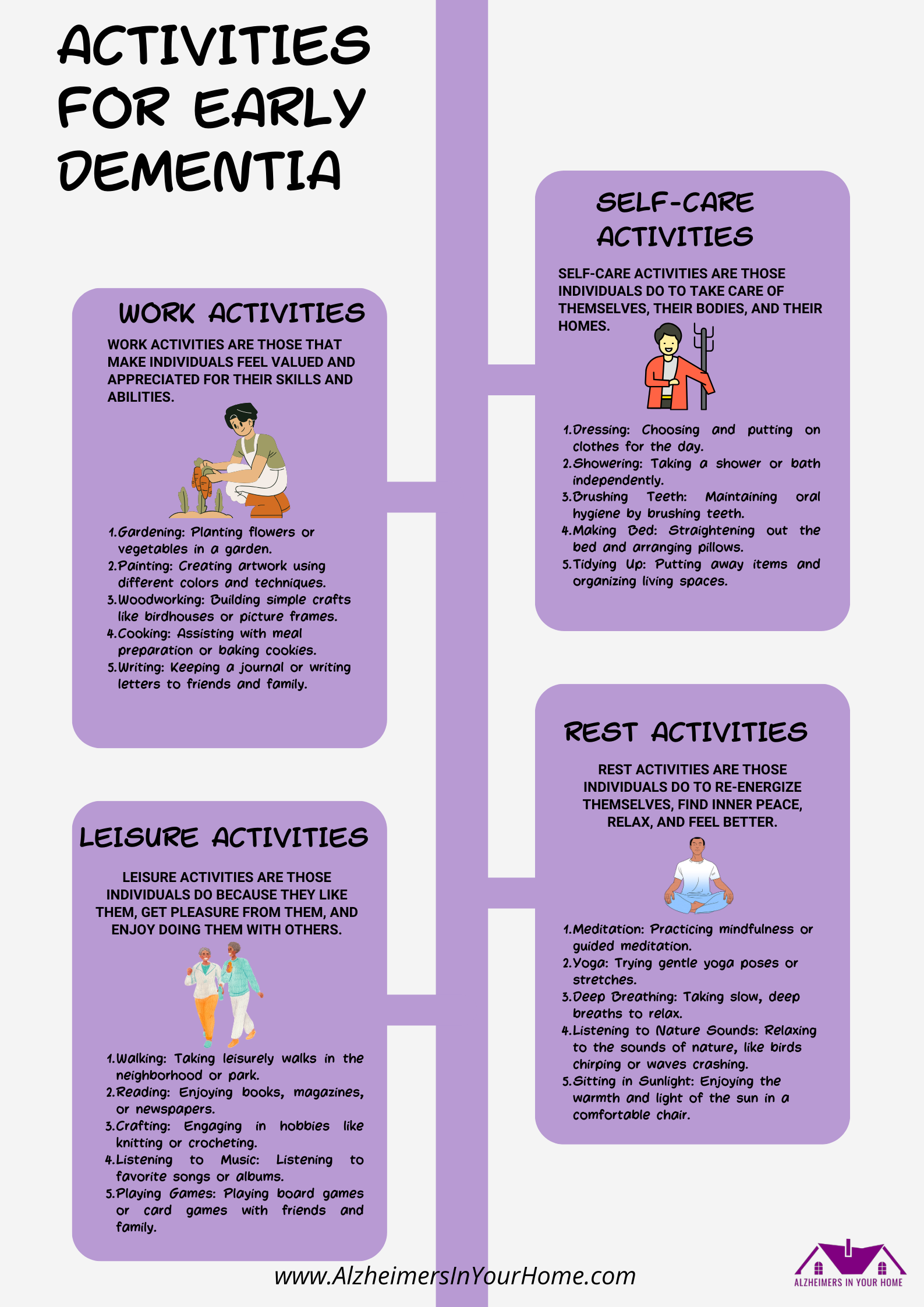
🧠 Early Stage Dementia Activities – Tap or click to see full size and explore ideas that encourage independence and confidence.
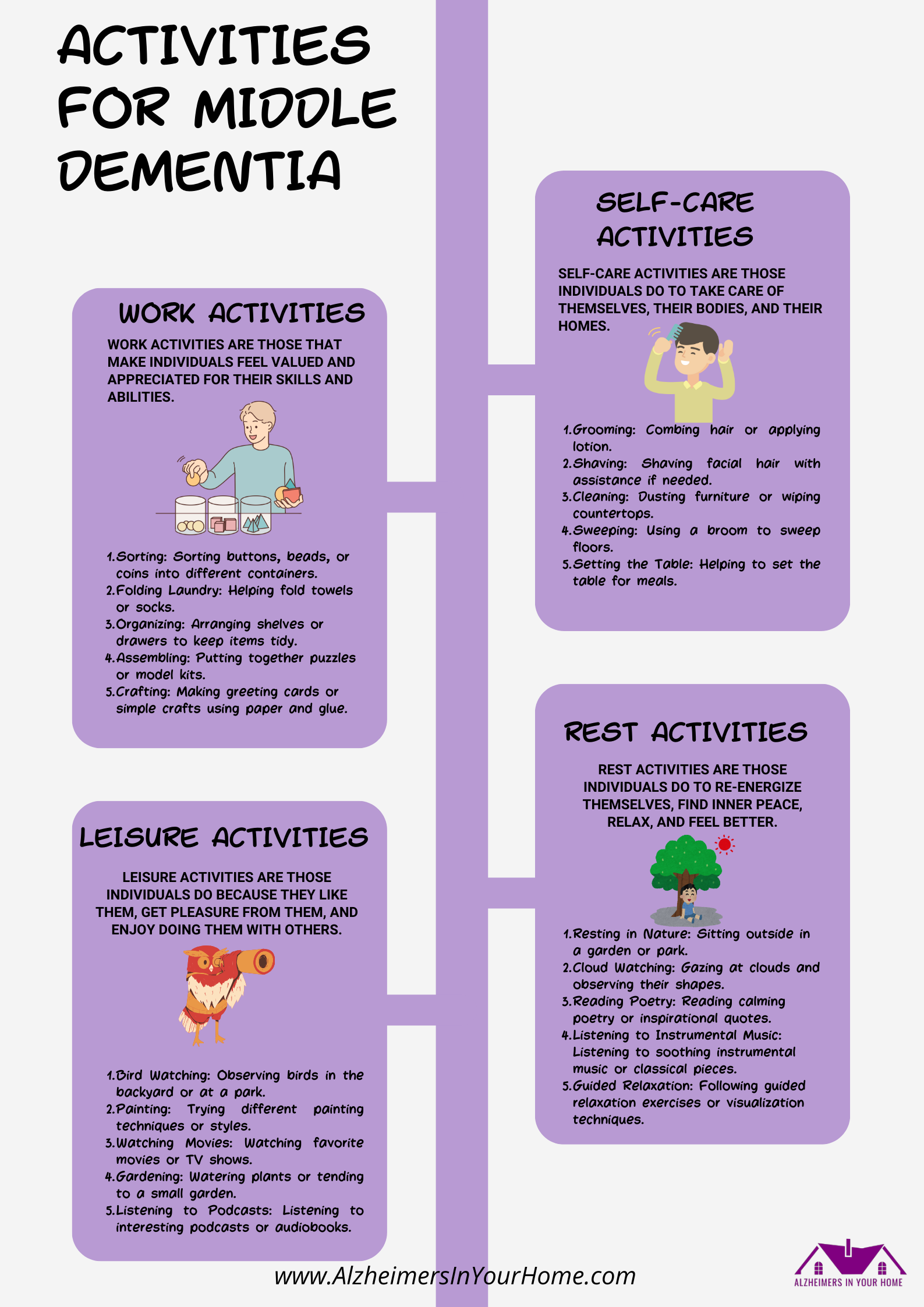
💜 Middle Stage Dementia Activities – Tap or click to view activities that bring comfort, connection, and purpose.
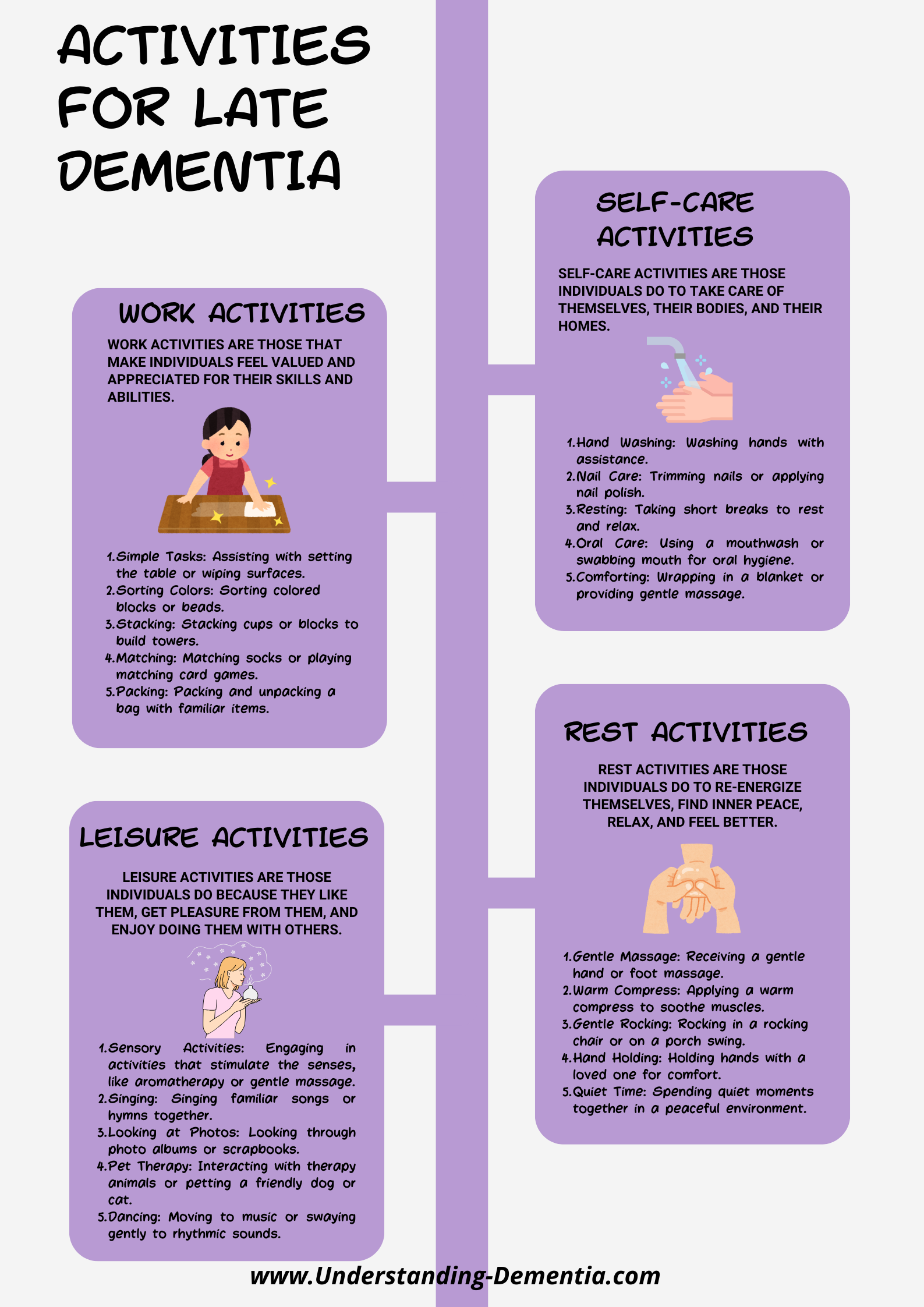
🌷 Late Stage Dementia Activities – Tap or click to see gentle, sensory activities that soothe and support your loved one.
🌼 Real-Life Activity Ideas to Try
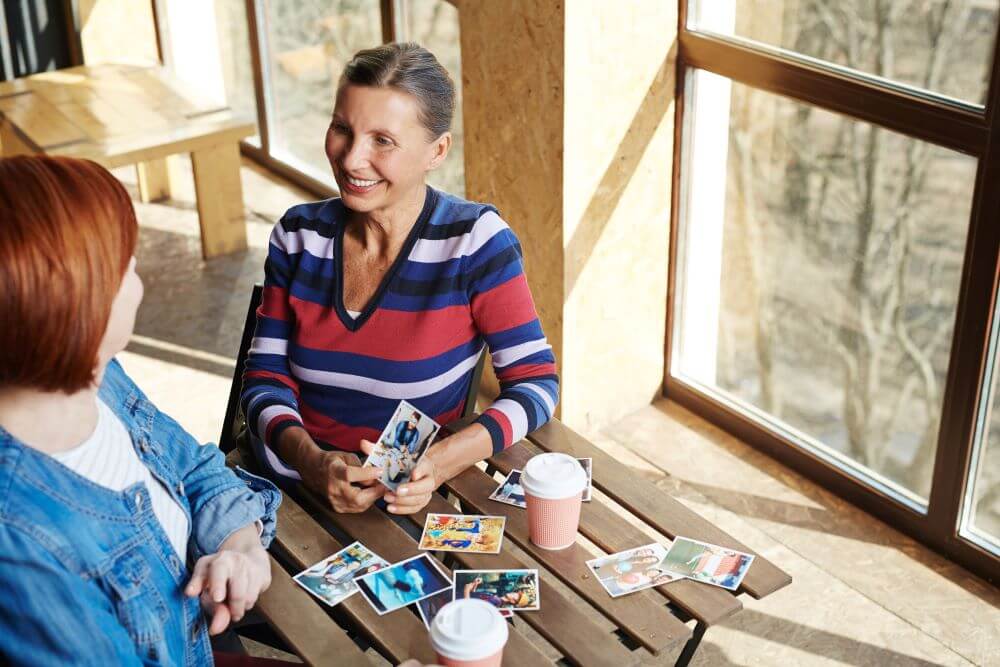
🖼️ Reminiscence Activities
Use photos, music, or familiar objects to spark conversation and memories.
Example: Sit together with the family photo album. Ask about familiar faces and watch their eyes light up as they share stories.
💜 Benefits:
Reminiscence builds confidence, reduces anxiety, and helps them feel seen and valued.
🌷 Sensory Stimulation
Engage the five senses — sight, sound, touch, taste, and smell — to spark calm and curiosity.
Example: Create a small sensory garden with fragrant herbs, soft textures, and colorful flowers. Encourage your loved one to touch, smell, and listen to the birds while outside.
💜 Benefits:
Sensory activities can ease agitation, promote relaxation, and add peaceful structure to the day.
🎨 Creative Expression
Art, music, or dance help people express feelings when words are hard to find.
Example: Set up a little “art corner” with paints, brushes, or clay. Let them experiment freely — the goal isn’t perfection, it’s expression.
💜 Benefits:
Completing something creative boosts self-esteem, confidence, and joy.
🚶 Physical Activity
Movement keeps the body strong and the mind clear.
Example: Take a short walk around the block or dance gently to favorite oldies.
Even five minutes of movement helps.
💜 Benefits:
Exercise can improve memory, balance, sleep, and mood — and it helps maintain independence longer.
💜 How Activities Add Meaning and Purpose
Engaging activities are more than ways to “pass the time.” They’re what give life color, meaning, and joy.
🌟 They stimulate the mind.
Each activity encourages new connections in the brain, helping preserve abilities for as long as possible.
🌟 They nurture emotional well-being.
Laughter, creativity, and shared time reduce stress and lift spirits.
🌟 They bring connection and purpose.
Whether it’s caring for plants, baking cookies, or folding laundry, meaningful tasks help your loved one feel needed and important.
🌈 The Power of Purpose and Connection
💫 Increased Self-Esteem
Celebrate even the smallest accomplishments — finishing a puzzle, singing a song, or remembering a name. Those moments of pride matter more than you know.
Example: When your loved one completes a task, cheer with them, clap, or say “You did it!” Those smiles are worth gold.
💫 Connection with the Past
Use music, recipes, or keepsakes to spark memories and help them reconnect with who they are.
Example: Listen to songs from their younger years or cook a favorite family dish together. Those moments often open doors to cherished memories.
💫 Sense of Purpose
Give them small, meaningful roles in daily life — folding towels, feeding a pet, or stirring a pot of soup.
Example: Invite them to help you prepare dinner. That sense of “helping” builds pride and purpose.
🧩 5 Q & A: Activities and Dementia Care
Q1: Why are activities so important for someone with dementia?
A: They keep the brain active, ease agitation, and create purpose. Even simple activities can make your loved one feel valued and engaged.
Q2: What if my loved one refuses to participate?
A: That’s okay! Try again later or switch to something else. Timing and mood make a big difference.
Q3: How do I know which activities are best for their stage?
A: Match activities to ability level — not memory. The Early Stage might enjoy independence-based tasks, while later stages need sensory or calming experiences.
Q4: Can everyday chores count as activities?
A: Absolutely. Folding laundry, setting the table, or sweeping the porch all give a sense of accomplishment and purpose.
Q5: What if I don’t have much time?
A: Even 10 minutes matters. A short walk, listening to music, or a shared cup of tea can bring comfort and connection.
🌻 In Closing
Engaging activities aren’t just fillers for the day — they’re lifelines that bring joy, meaning, and connection.
Whether it’s a short walk, music, crafts, or a simple conversation over old photos, these small acts create powerful moments of love and dignity.
💜 Remember, it’s not about doing it perfectly — it’s about being present.
Your time, patience, and love are what truly make a difference.
Hi, I’m Larea, a Registered Nurse, Faith Community Nurse, and Certified in Dementia Care with 30 years of experience supporting families living with Alzheimer’s and other dementias. Both of my parents have Dementia, so I understand the journey personally as well as professionally. My heart is in helping family caregivers feel supported, prepared, and confident every step of the way.




0 Comments