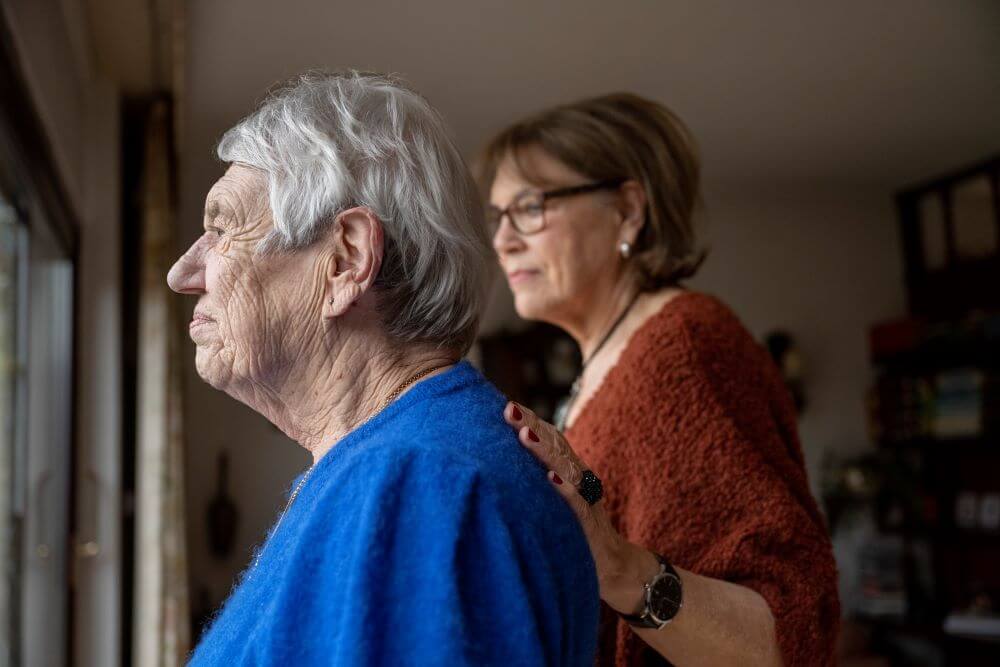

When a loved one is diagnosed with dementia, your life is interrupted. It can feel like your world has been turned upside down. Suddenly, everything you knew is uncertain, and you’re faced with a future that seems overwhelming. But take a deep breath – you are not alone, and there are steps you can take to navigate this journey.
Understanding Dementia
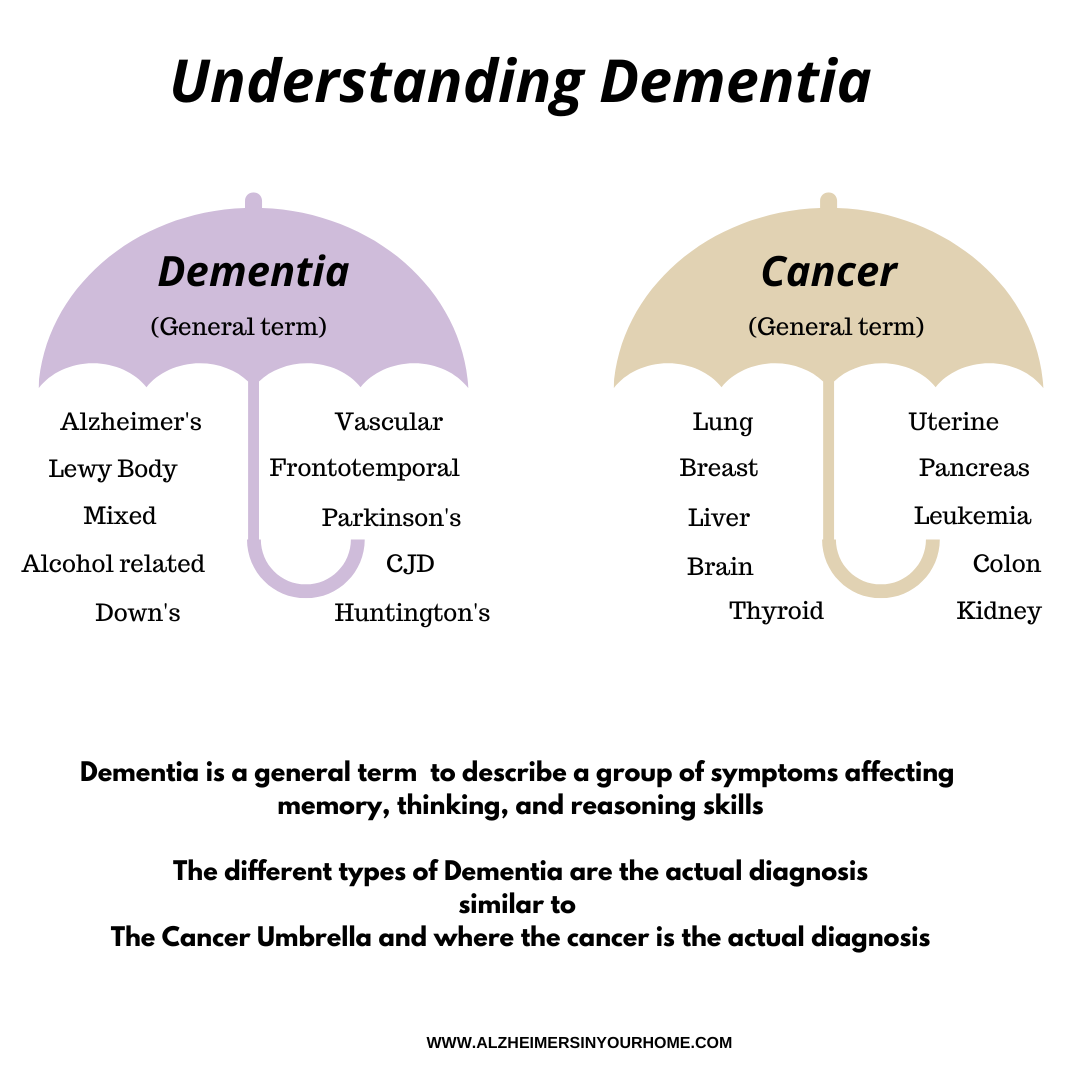
Dementia is a general term for a decline in mental ability severe enough to interfere with daily life. Alzheimer’s disease is the most common type, but there are others, like vascular dementia, Lewy body dementia, and frontotemporal dementia. Symptoms might include memory loss, confusion, and changes in behavior. Knowing what to expect can help you prepare for the challenges ahead.
💜 “Dementia may change the path, but it doesn’t erase the love.”
Types of Dementia
Alzheimer’s Disease: This is the most common type of dementia, accounting for 60-80% of cases. It’s characterized by the gradual onset of memory loss, confusion, and difficulty with thinking and reasoning. In the early stages, you might notice your loved one having trouble remembering recent events or conversations. As the disease progresses, they may struggle with recognizing family members, finding the right words, or completing familiar tasks. For example, they might forget how to use the microwave or where they put their keys.
Vascular Dementia: This type is the second most common and occurs when there’s a lack of blood flow to the brain, often following a stroke or a series of small strokes. Symptoms can vary depending on the part of the brain affected but often include problems with planning, judgment, and movement. For instance, your loved one might have difficulty organizing their day or remembering the sequence of steps needed to cook a meal. They might also experience sudden changes in mood or personality.
Lewy Body Dementia: This form is caused by abnormal protein deposits, called Lewy bodies, in the brain. Symptoms can overlap with Alzheimer’s and Parkinson’s diseases. People with Lewy body dementia might experience vivid visual hallucinations, fluctuating levels of alertness and attention, and movement problems similar to Parkinson’s. For example, your loved one might see things that aren’t there, such as people or animals, or have trouble with balance and coordination.
Frontotemporal Dementia: This type affects the frontal and temporal lobes of the brain, which control behavior, personality, and language. It typically presents at a younger age than Alzheimer’s, often between 45 and 65. Symptoms include drastic changes in behavior and personality, difficulty with speech and language, and sometimes motor skills. You might notice your loved one behaving inappropriately in social situations, becoming impulsive, or having trouble finding the right words during a conversation.

Common Symptoms
Regardless of the type, dementia generally involves a range of cognitive and psychological symptoms. Here are some common signs to look out for:
- Memory Loss: Forgetting recent events, names, and faces. For example, your loved one might repeatedly ask the same question or forget appointments.
- Confusion: Getting confused about time or place. They might get lost in a familiar place or not recognize the year or season.
- Difficulty with Complex Tasks: Struggling with tasks that require planning and organization. For instance, balancing a checkbook or following a recipe may become challenging.
- Problems with Communication: Finding it hard to follow conversations or find the right words. They might stop in the middle of a sentence and not know how to continue.
- Changes in Behavior: Exhibiting mood swings, depression, or anxiety. Your loved one might become easily upset or agitated, especially in unfamiliar situations.
- Poor Judgment: Making decisions that seem out of character. They might give away large sums of money to telemarketers or wear inappropriate clothing for the weather.
🕊️ “You don’t have to know everything today. Just learn what you need for this moment.”

Accepting the Diagnosis When Dementia Interrupts Your Life
Hearing that a loved one has dementia is heartbreaking. It’s normal to feel a range of emotions. Here are some ways to navigate this season:
Emotional Reactions
When you first hear the diagnosis, it’s common to experience a whirlwind of emotions:
- Sadness: You may grieve the loss of the future you envisioned with your loved one. It’s okay to cry and mourn what is changing.
- Anger: You might feel angry at the situation, at the disease, or even at your loved one for their changing behavior. These feelings are natural and need to be acknowledged.
- Fear: Concerns about the future, the progression of the disease, and your ability to provide care can be overwhelming. It’s important to address these fears rather than push them aside.
- Confusion: Understanding the diagnosis and what it means for your loved one can be complicated. Take your time to learn and ask questions until things become clearer.
Giving Yourself Time
Processing a dementia diagnosis isn’t something you can rush. Allow yourself the time to come to terms with the new reality:
- Self-Reflection: Spend some time alone to reflect on your feelings. Writing in a journal can help you sort through your thoughts and emotions.
- Seek Solace in Routine: Continuing with your daily activities can provide a sense of normalcy and stability. Don’t feel guilty for taking time to care for yourself.

Talking to Others
Discussing your feelings with others can be incredibly helpful:
- Friends and Family: Share your emotions with close friends or family members. They may not fully understand what you’re going through, but they can offer support and a listening ear.
- Support Groups: Joining a support group for caregivers can connect you with others who are experiencing similar challenges. Sharing stories and advice can provide comfort and practical tips.
Example: You might attend a local support group meeting and meet other caregivers who share their experiences and coping strategies. Hearing from someone who has been through it can be reassuring and provide you with ideas on how to handle your situation.

Professional Help
Sometimes, the support of friends and family isn’t enough, and that’s okay:
- Therapists and Counselors: Speaking with a mental health professional can help you navigate your feelings and develop coping strategies.
- Dementia Specialists: Consulting with specialists can provide you with detailed information about the disease and what to expect, helping you feel more prepared.
🤲 “You can’t stop dementia, but you can soften its impact with understanding.”

Educate Yourself
Knowledge is power, especially when you’re facing something as complex as dementia. Here are places to start:
Start with the Basics
Understanding the fundamentals of dementia is crucial:
- Books: Consider starting with well-regarded books such as “The 36-Hour Day” by Nancy L. Mace and Peter V. Rabins or “Creating Moments of Joy” by Jolene Brackey. These books provide a comprehensive overview of dementia and offer practical tips for caregivers.


- Websites: Trusted websites like the Alzheimer’s Association (alz.org) and Dementia Care Central (dementiacarecentral.com) offer a wealth of information, including the latest research, care strategies, and personal stories from other caregivers.
Online Courses and Workshops
Taking a structured course can provide a deeper understanding of dementia:
- Understanding Dementia Course for Beginners: This beginner-friendly course offers a full introduction to dementia. You can find it on our page: Understanding Dementia Course
- Local Workshops: Many communities offer workshops and seminars on dementia care. Check with local hospitals, senior centers, or Alzheimer’s organizations for upcoming events.

Ready to feel more confident in this journey?
If you’re feeling unsure about what’s happening or what comes next, you don’t have to guess your way through it.
My Understanding Dementia Course for Beginners walks you step-by-step through the basics — the types of dementia, the stages, the changes, and what to expect.
It’s simple, practical, and made for families just like yours.

Our Resources
We offer a variety of resources to help you learn more about dementia and connect with others:
- Website: Explore detailed caregiving articles here → Alzheimer’s in Your Home website
- YouTube Channel: Watch educational videos here → Dementia Care YouTube Channel
- Facebook Support Group: Join caregivers supporting each other here → Private Facebook Support Group
🌿 “Courage isn’t loud — it’s the quiet way caregivers keep showing up.”

Creating a Care Plan
Early planning can make a big difference when caring for a loved one with dementia. A well-thought-out care plan helps reduce stress, ensures everyone is on the same page, and respects the wishes and preferences of your loved one. Here are some steps to help you create a comprehensive care plan:
Involve Your Loved One
Including your loved one in the planning process as much as possible is crucial. Their input and preferences should guide many decisions:
- Discuss Preferences: Talk to your loved one about their preferences for daily routines, activities, and care. Ask about their favorite meals, hobbies, and the kind of support they would prefer.
- Respect Their Wishes: Ensure that their voice is heard and respected, even as their abilities change. This can help maintain their dignity and sense of control.
Example: If your loved one enjoys morning walks, include this in their daily routine as long as it is safe and feasible. If they prefer a particular type of music, play it during the day to create a calming environment.

Medical Care
Proper medical care is a cornerstone of managing dementia:
- Primary Care Physician: Ensure regular visits to a primary care physician who understands dementia and can monitor overall health.
- Specialists: Learn more about the types of doctors who may be part of your loved one’s care team → Dementia Care Specialists Guide
- Medications: Learn caregiving medication tips → Giving Medicine Safely Guide
Example: Schedule regular appointments with a neurologist to monitor the progression of the disease and adjust treatments as necessary. Use a pill organizer to manage daily medications effectively.

Legal and Financial Matters
Planning for legal and financial matters early can prevent future complications:
- Power of Attorney: Establish a durable power of attorney for healthcare and financial decisions. This allows a trusted person to make decisions on behalf of your loved one if they become unable to do so.
- Advance Directives: Learn how to document wishes clearly → Advance Directives Guide
- Financial Planning: Learn ways to organize and prepare financially → Dementia Financial Planning Guide
Example: Meet with an attorney to draft a durable power of attorney and advance directives. Organize financial documents in a secure, accessible location, and ensure that all relevant family members know where to find them.

Building a Support System
Caring for someone with dementia is a big job, and you shouldn’t try to do it alone. A strong support system can provide the assistance and relief you need to effectively care for your loved one while maintaining your own well-being. Here’s how to build a robust support system:
Reaching Out to Family and Friends
Your family and friends can be an invaluable source of support:
- Communicate Your Needs: Clearly express your needs and the type of help you require. Be specific about tasks that others can assist with, such as running errands, cooking meals, or spending time with your loved one.
- Example: You might ask a neighbor to pick up groceries once a week or request a friend to sit with your loved one for a couple of hours so you can attend a support group meeting.
- Schedule Regular Help: Create a schedule that includes regular help from family and friends. This can provide consistency and ensure that you have regular breaks.
- Example: Arrange for your sibling to visit every Saturday afternoon to give you time to relax or run personal errands.
- Accept Offers of Assistance: When people offer help, accept it graciously. Sometimes, pride or the desire to manage everything independently can prevent you from accepting much-needed support.
- Example: If a friend offers to cook dinner for you once a week, accept their offer. It can relieve you from meal preparation duties and give you more time to focus on other tasks.
🔍 “Knowledge brings clarity. Clarity brings confidence.”

Community Resources
Utilize community resources to find additional support:
- Local Organizations: Many local organizations and non-profits offer support services for dementia caregivers, such as counseling, support groups, and educational workshops.
- Example: Check with your local Alzheimer’s Association chapter for caregiver support groups that meet weekly or monthly.
- Faith-Based Support: If you are part of a faith community, reach out to your church, synagogue, or mosque. Many faith-based organizations offer support services and volunteer programs.
- Example: Your church might have a volunteer group that provides respite care or runs errands for caregivers in the community.
- Online Resources: There are numerous online forums, social media groups, and websites dedicated to supporting dementia caregivers. These can provide a sense of community, practical advice, and emotional support.
- Example: Join a Facebook group for dementia caregivers where you can share experiences, ask questions, and receive encouragement from others in similar situations.
Taking Care of Yourself
As a caregiver, your well-being is just as important as your loved one’s. It’s easy to neglect your own needs, but self-care is crucial. Make time for activities that relax and rejuvenate you, whether it’s reading a book, going for a walk, or spending time with friends. Managing stress is key to avoiding burnout. Practice mindfulness, seek support, and don’t hesitate to take breaks when you need them.
❓ Q & A: When Dementia Interrupts Your Life
1. “Why does dementia feel so overwhelming at first?”
Because everything is new — the symptoms, the changes, the emotions. You’re suddenly learning a whole new world you never asked to enter.
2. “Should I talk openly with my loved one about the diagnosis?”
Yes, if they can still understand. Honest, gentle conversations help them feel included, respected, and less afraid.
3. “Is it normal to feel angry, sad, or guilty?”
Absolutely. Caregivers often feel all three at once. These emotions are not a sign of failure — they’re a sign that you care deeply.
4. “How do I know what comes next?”
Understanding the type and stage of dementia makes the road clearer. When you understand the changes, you can prepare before they happen.
5. “What’s the most important thing I can do right now?”
Learn. Support. And pace yourself. This is a marathon, not a sprint. You need strength for the long road ahead.
Conclusion
Caring for someone you love who has dementia will change your life in ways you never expected. Some days will feel heavy. Some will feel confusing. And some will feel like you’re juggling far more than you ever signed up for. But mixed into those challenges are still moments of connection, tenderness, and meaning — moments worth holding onto.
This journey isn’t something you’re supposed to “figure out” overnight. It’s something you learn as you go, step by step, as new challenges show up and new strengths rise to meet them. You don’t have to have all the answers. You don’t have to be perfect. You just have to keep showing up with love — and you already do that every single day.
Remember that you’re not meant to walk this alone. Support is out there. Education is out there. Other caregivers are out there — people who understand exactly what you’re facing and can help lighten the load. Reach out. Ask questions. Lean on the tools and communities available to you.
And through it all, don’t forget about you. Your health, your rest, your emotions, and your well-being matter just as much as the care you give. Taking breaks, asking for help, and caring for yourself are not signs of weakness — they’re signs of wisdom and strength.
Dementia may interrupt life in big and unexpected ways, but there is still hope, still connection, and still joy to be found along the way. With the right information, support, and compassion — both for your loved one and for yourself — you can navigate this journey with confidence, resilience, and grace.
You are doing one of the hardest and most meaningful jobs in the world… and you are not alone.
Hi, I’m Larea, a Registered Nurse, Faith Community Nurse, and Certified in Dementia Care with 30 years of experience supporting families living with Alzheimer’s and other dementias. Both of my parents have Dementia, so I understand the journey personally as well as professionally. My heart is in helping family caregivers feel supported, prepared, and confident every step of the way.