
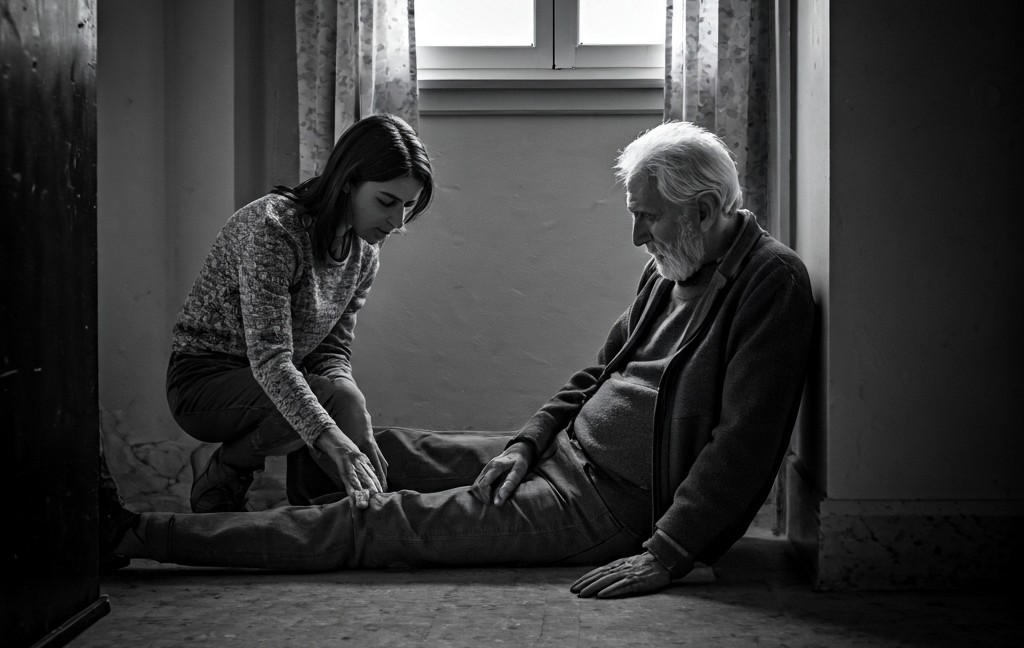

You walk into the room and find your loved one lying on the floor.
Your heart drops.
Your mind races.
Are they hurt? Should you move them? Do you call 911? What do you do first?
Few moments are more frightening for a dementia caregiver than finding a loved one after a fall. In those first few minutes, it’s easy to panic or worry about making the wrong decision.
The good news is that you don’t have to figure it out alone.
This guide will walk you through exactly what to do after a dementia fall at home—from checking for injuries and deciding when to call for help to helping your loved one up safely (if appropriate) and reducing the risk of future falls.
Whether this is your loved one’s first fall or one of many, knowing what to do can help you stay calm, respond with confidence, and get them the care they need.
The first few minutes after a fall are the most important. Before trying to help your loved one stand, take a moment to check for injuries and decide whether it’s safe to move them.
🚨 After a Dementia Fall: Start Here

🚨 First Things First: Stay Calm and Check for Injuries
Seeing your loved one fall can be frightening, but taking a deep breath and staying calm will help both of you. People with dementia often look to your emotions for reassurance. Speaking in a calm, gentle voice can help reduce fear and prevent them from trying to get up too quickly.
Before helping them up, take a few moments to check for injuries. Moving someone too soon could make an injury worse.
Step 1: Encourage Them to Stay Still
If they are awake, ask them not to get up right away.
You might say:
“I’m here with you. Let’s take a minute to make sure you’re okay before we try to move.”
This gives you time to look for injuries and helps prevent another fall.
Step 2: Check Their Level of Alertness
Ask simple questions such as:
- What is your name?
- Do you know where you are?
- Can you tell me what happened?
People with dementia may not answer every question correctly, but notice whether they seem more confused than usual, unusually sleepy, or difficult to wake.
Step 3: Check for Pain and Injuries
Ask if anything hurts, but remember that people with dementia may not always be able to tell you.
Look for signs such as:
✔ Bleeding
✔ Swelling
✔ Bruising
✔ A limb that looks bent or out of place
✔ Pain when moving
✔ Difficulty moving an arm or leg
✔ Holding or protecting one area of the body
✔ Crying, grimacing, or moaning
✔ Refusing to move
Caregiver Tip: A person with dementia may not say they’re in pain. Watch their facial expressions, body language, and behavior for clues that something is wrong.
Step 4: Check for a Head Injury
Even if they seem fine, ask yourself:
- Did they hit their head?
- Did they lose consciousness, even briefly?
- Are they unusually sleepy?
- Are they vomiting?
- Do they have a severe headache?
- Is their speech different than usual?
- Are they more confused than normal?
Head injuries can sometimes cause symptoms that don’t appear until hours later, so continue to watch them closely over the next 24 to 72 hours.
🚑 Call 911 Immediately If:
- They are unconscious.
- You suspect a broken bone.
- They have severe neck or back pain.
- They cannot move an arm or leg.
- They have heavy bleeding that won’t stop.
- They have trouble breathing.
- They hit their head and become difficult to wake or suddenly much more confused.
Do not try to move them if you suspect a serious injury. Stay with them, keep them warm and comfortable, and reassure them until emergency help arrives.
💜 Caregiver Pearl
Don’t assume your loved one is uninjured just because they say, “I’m fine.” Many people with dementia have difficulty recognizing or communicating pain. Always look for changes in movement, facial expressions, and behavior before helping them stand.
🚑 Common Injuries After a Dementia Fall at Home
People with dementia are more likely to fall due to balance problems, confusion, and weakened strength. Here are some of the most common injuries you should be aware of:

🦴 Hip Fractures
Very common in older adults and especially dangerous.
Often caused by sideways falls directly onto the hip.
Signs to watch for:
-
- One leg looks shorter than the other
- Leg is turned outward at a strange angle
- They scream, cry, or resist when you try to move them
- They can’t stand up or put weight on one leg
📌 Do not try to help them stand if you suspect a hip fracture. Call 911 and keep them warm and calm.

🧠 Head Injuries / Brain Bleeds
People with dementia may hit their head without being able to tell you.
Signs of possible head injury:
-
- Confused more than usual
- Slurred speech or difficulty talking
- Nausea or vomiting
- Headache
- One pupil bigger than the other
- Trouble staying awake or sudden sleepiness
- Seizure or jerky movements
📌 Always get medical help if your loved one hits their head — even if they seem okay at first. Brain bleeds can take hours or even days to show up.

🖐️ Broken Wrists, Arms, or Shoulders
These usually happen when someone tries to “catch” themselves during a fall.
What to look for:
-
- Swelling or bruising around the arm or wrist
- They’re cradling one arm or not using it
- Pain when you gently touch the area

🦶 Knee or Ankle Sprains and Fractures
May happen if they twist or land awkwardly
Signs:
-
- Limping or refusing to stand
- Swelling or tenderness
- Foot turned at an unusual angle

🩹 Skin Tears
Skin tears are one of the most common injuries after a fall, especially in older adults. Aging skin becomes thinner and more fragile, making it easier to tear even after a minor bump or scrape.
💫 The first few minutes after a fall are about observation, not speed.
Taking time to check for injuries can prevent making a serious injury worse.
📄 Free Caregiver Guide
Need step-by-step instructions?
Download my printable How to Treat a Skin Tear After a Fall guide for detailed wound care tips and when to seek medical attention.

What to Do Immediately After Checking for Injuries
If your loved one appears alert, has no obvious signs of a serious injury, and you’re confident it’s safe to help them, take a few moments before trying to get them up.
Help Them Stay Calm
A fall can be frightening and embarrassing, especially for someone living with dementia. They may be confused about what happened or become upset because they cannot get up on their own.
Speak in a calm, reassuring voice and let them know you are there to help.
You might say:
“You’re okay. Let’s take our time and make sure you’re not hurt before we help you up.”
Remaining calm can also help prevent your loved one from trying to stand too quickly, which could lead to another fall.
Don’t Rush to Lift Them
Even if your loved one says they feel fine, take a few extra moments to observe them.
Ask them to gently move:
- Their fingers
- Their toes
- Their arms
- Their legs
Watch for signs of pain, weakness, or difficulty moving before attempting to help them stand.
If anything doesn’t seem right, call for medical advice rather than trying to lift them yourself.
Check Their Surroundings
Before helping them up, look around the area.
Ask yourself:
- Did they trip over something?
- Is the floor wet?
- Was poor lighting a factor?
- Did they forget to use their walker?
- Were they rushing to the bathroom?
Identifying what caused the fall can help prevent another one.
Make a Mental Note of What Happened
Try to remember details while they are fresh.
Think about:
- What time did the fall occur?
- Where did it happen?
- What was your loved one doing?
- Did they hit their head?
- Were they dizzy beforehand?
- Was this similar to previous falls?
These details can be very helpful if you need to speak with the healthcare provider later.
Document the Fall
Even if your loved one seems uninjured, it’s a good idea to write down what happened.
Include:
- Date and time
- Location
- Possible cause
- Any injuries
- Whether the doctor was notified
- Changes over the next 24–72 hours
Keeping a record of falls can help identify patterns and make future doctor visits more productive.

How to Help Someone Up After a Fall (If They’re Not Hurt)
If you’re sure they’re not hurt, and they’re alert and willing to try, you may be able to help them up. But go slow. Take your time. Let them do as much as they can.
Here’s a Step-by-Step Guide:
- Help them roll onto their side and rest a minute. Check again for signs of pain.
- Get them into a crawling position, if they can. Place yourself nearby for support.
- Slide a sturdy chair in front of them (not one that rolls or wobbles).
- Guide their hands to the seat of the chair, so they can use it for support.
- Help them bring one knee up, like they’re stepping forward in a kneeling position.
- Support them gently as they push up with their hands and bring themselves to a standing or seated position on the chair.
- Let them sit and rest before trying to stand fully.
👉 Want to keep this guide on hand? Download your free printable directions here.

If They Can’t Get Up: What You Can Do Until Help Arrives
Sometimes, they just can’t get up — and that’s okay. Here’s how to keep them safe and comfortable:
- Call 911 or your local emergency services if needed.
- Stay calm and sit near them. Speak softly and reassuringly.
- Place a pillow under their head and cover them with a blanket.
- Do not try to lift them by yourself — you could both get hurt.
- Don’t give food or drink until you know they’re okay.
🩺 When to Call the Doctor After a Dementia Fall
Call the healthcare provider if your loved one:
✔️ Has pain that doesn’t improve
✔️ Develops new bruising or swelling
✔️ Is limping or walking differently
✔️ Has a skin tear that is deep or looks infected
✔️ Has another fall within a short period
✔️ Seems more confused than usual
✔️ Is sleeping much more than normal
✔️ Refuses to eat or drink
✔️ Has dizziness before or after the fall
✔️ Starts a new medication before the fall
✔️ Hits their head—even if they seem okay (especially if taking blood thinners)
Download Quick Guide #004 – When to Call the Doctor After a Dementia Fall
💫 One fall may be an accident.
Repeated falls are often your loved one’s way of telling you that something has changed.
📝 What to Watch for During the Next 24–72 Hours
Many injuries don’t appear immediately after a fall.
Continue checking your loved one over the next several days.
Watch for:
🧠 Brain Changes
- Increased confusion
- Difficulty waking
- Slurred speech
- Severe headache
- Vomiting
🚶 Mobility Changes
- New limp
- Refusing to walk
- Trouble standing
- Weakness
😟 Behavior Changes
- Agitation
- Restlessness
- Crying
- Withdrawal
- Sleeping much more
🍽 Eating & Drinking
- Poor appetite
- Refusing fluids
- Trouble swallowing
🩹 Skin & Bruising
- Bruises becoming larger
- Swelling
- Redness
- Drainage
If you notice any of these changes, contact your healthcare provider right away.
💫 People living with dementia often tell us they are fine—even when they are not.
Their behavior often speaks louder than their words

Why People with Dementia Fall More Often
Falls aren’t always caused by weakness or clumsiness. Dementia affects the brain in ways that can make walking, judging distances, and recognizing danger much more difficult. Understanding these changes can help you make your home safer and reduce the risk of future falls.
🧠 Brain Changes
Dementia damages the parts of the brain responsible for thinking, planning, movement, and processing information. As these areas change, your loved one may have difficulty judging distances, reacting quickly, or remembering how to perform everyday tasks safely.
They may:
- Misjudge where a chair is located.
- Forget to use their walker or cane.
- Have trouble navigating stairs.
- Become distracted while walking.
These changes often happen gradually, making them difficult to notice until a fall occurs.
⚠️ Poor Judgment
One of the earliest changes in many types of dementia is a decline in judgment and problem-solving.
Your loved one may:
- Stand up too quickly without assistance.
- Attempt tasks they can no longer do safely.
- Climb on a stool or chair.
- Walk without their glasses or walker.
- Forget they need help getting out of bed.
Even if they have been reminded many times, dementia affects their ability to remember and apply safety precautions.
👀 Changes in Vision and Depth Perception
Dementia doesn’t just affect memory—it can also change how the brain interprets what the eyes see.
Your loved one may:
- Misjudge the height of a step.
- Think a dark-colored rug is a hole in the floor.
- Have difficulty stepping over thresholds.
- Struggle to judge distances when reaching for furniture.
- Become confused by patterned flooring or shadows.
Good lighting, contrasting colors, and reducing visual clutter can help make walking safer.
🚶 Balance and Walking Changes
As dementia progresses, many people develop changes in the way they walk.
You may notice they:
- Shuffle their feet.
- Walk more slowly.
- Lean forward.
- Have trouble turning around.
- Freeze before taking a step.
- Become unsteady when changing direction.
These changes make trips, slips, and falls much more likely, especially on uneven surfaces or in crowded rooms.
💊 Medication Side Effects
Some medications can increase the risk of falls by causing:
- Dizziness
- Drowsiness
- Low blood pressure
- Blurred vision
- Weakness
- Slower reaction times
Common medications that may contribute include:
- Sleeping medications
- Anti-anxiety medications
- Some antidepressants
- Certain blood pressure medications
- Some pain medications
Never stop a medication without talking to the healthcare provider, but if falls begin after starting a new medication, let the doctor know.
🚧 Poor Safety Awareness
Many people with dementia lose the ability to recognize situations that could be dangerous.
For example, they may:
- Walk on wet floors.
- Forget to lock their walker before standing.
- Reach too far without support.
- Attempt to carry heavy objects while walking.
- Ignore obstacles on the floor.
They are not being stubborn—they may truly be unaware of the risk.
🚽 Rushing
Many falls happen because a person feels they need to get somewhere quickly.
Common situations include:
- Rushing to the bathroom.
- Answering the telephone.
- Going to the front door.
- Trying to keep up with someone else.
- Getting out of bed too quickly.
Because dementia affects thinking and judgment, your loved one may forget to slow down or ask for help.
Caregiver Tip: If rushing to the bathroom is becoming a pattern, consider a regular toileting schedule and keep the path to the bathroom well lit and free of clutter.
🌙 Nighttime Confusion
Evening confusion, sometimes called sundowning, can increase the risk of falls.
Your loved one may:
- Wake up disoriented.
- Forget where the bathroom is.
- Wander through the house in the dark.
- Become confused by shadows.
- Forget to use their walker.
Simple changes such as night lights, motion-sensor lighting, removing clutter, and keeping frequently used items within reach can help reduce nighttime falls.
💜 Caregiver Pearl
Many falls are not caused by carelessness. They are often the result of changes in the brain that affect judgment, vision, balance, and safety awareness. Understanding these changes can help you focus on preventing future falls rather than blaming yourself or your loved one.
💫 Every fall has a story.
Looking for the cause today may help prevent the next fall tomorrow.
⚠️ Fall Prevention Tips for People with Dementia
While you can’t prevent every fall, making your home safer can greatly reduce the risk. Small changes throughout the house can help your loved one remain safer and more independent.
Start with these simple safety tips:
✔️ Remove tripping hazards such as throw rugs, electrical cords, and clutter.
✔️ Add nightlights or motion-sensor lighting in hallways, bedrooms, and bathrooms.
✔️ Install grab bars near the toilet, shower, and other areas where extra support is needed.
✔️ Encourage wearing well-fitting, non-slip shoes instead of socks on smooth floors.
✔️ Keep frequently used items within easy reach to avoid unnecessary climbing or stretching.
✔️ Stay active with gentle exercise or physical therapy, if recommended by your healthcare provider, to help maintain strength and balance.
📄 Free Fall Prevention Resources
Download these free printable guides to help make your home safer:
- Quick Guide #005 – Fall Risk Safety Checklist
- 📖 Creating a Safe Haven: A Guide to Dementia-Friendly Living (Free ebook)
🏡 Help Prevent the Next Fall
Falls are one of the most common reasons people with dementia visit the emergency room. Many of these falls can be prevented with simple home modifications and safety planning.
My free guide, Creating a Safe Haven: A Guide to Dementia-Friendly Living, walks you through room-by-room safety recommendations to help reduce fall risks and create a more dementia-friendly home.
Inside you’ll discover:
✔️ How to make every room safer
✔️ Ways to reduce fall risks throughout the home
✔️ Home safety tips for each stage of dementia
✔️ Common hazards caregivers often overlook
✔️ Simple changes that can help your loved one stay safe and independent longer
Frequently Asked Questions
❓ Should I take someone with dementia to the ER after every fall?
Not always, but head injuries, severe pain, loss of consciousness, or sudden confusion should be evaluated immediately.
❓ What is the most common cause of falls in dementia?
Balance problems, poor judgment, medication side effects, vision changes, and environmental hazards can all contribute.
❓ How long should I monitor someone after a fall?
See What to Watch for During the Next 24–72 Hours above for a complete checklist of symptoms to monitor after a fall.
❓ Can a fall make dementia worse?
A fall itself may not worsen dementia, but injuries, hospitalizations, pain, and reduced mobility can lead to increased confusion and functional decline.
🩹 Dementia Fall Resource Center
Free Printables
- ✅ Quick Guide #001 What to Do Immediately After a Fall
- ✅Quick Guide #002 How to Help Someone Up Safely
- ✅ Quick Guide #003 Fall Injury Decision Guide
- ✅ Quick Guide #004 When to Call the Doctor
- ✅ Quick Guide #005 Fall Risk Checklist
- ✅ Quick Guide #006Fall Investigation Worksheet
- ✅ Quick Guide #007 How to Treat a Skin Tear After a Fall
Related Articles
Document Every Fall
Healthcare providers often look for patterns rather than isolated events. Keeping a record of each fall can help identify medication side effects, infections, balance changes, or environmental hazards before another fall occurs.

🔎 Free After Fall Investigation Form
One fall may seem random. Several falls written down may reveal a pattern.
My free After Fall Investigation Form helps you use the Dementia Detective process to record what happened, look for possible causes, notice changes after the fall, and watch for patterns over time.
NOTICE → LOOK → ASK → TRACK → CONNECT
💫 You may not remember every detail of a fall, but writing it down today can provide important answers weeks or even months later.
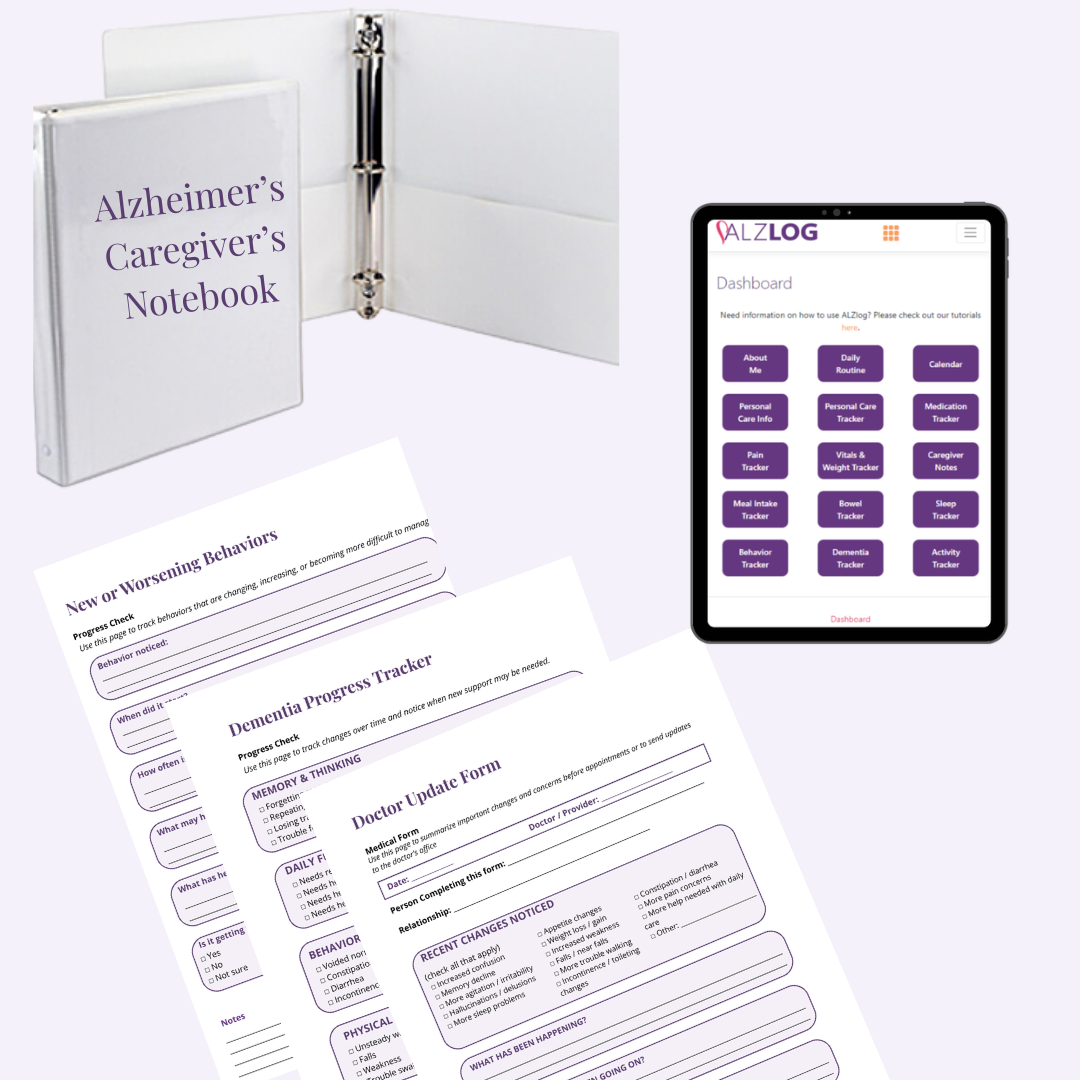
📒 Stay Organized After a Fall
Every fall provides important information.
Tracking where, when, and why falls happen can help you and your healthcare provider identify patterns before another serious fall occurs.
Use the Caregiver’s Notebook or ALZlog to track:
- Falls
- Injuries
- Medications
- Behavior changes
- Pain
- Mobility
Conclusion
Falls can be frightening, but knowing what to do can make all the difference. Taking a few moments to check for injuries, knowing when to call for help, and understanding what may have caused the fall can help protect your loved one and give you greater confidence as a caregiver.
Remember, every fall provides valuable information. Tracking falls and sharing those details with your healthcare provider can help identify patterns, reduce future risks, and improve your loved one’s care over time.



0 Comments