


Caring for someone with Alzheimer’s or dementia can be challenging, but one of the most powerful tools you have is something simple: your words.
Many caregivers search for answers when their loved one begins refusing help with things like bathing, dressing, eating, or taking medication. Understanding why dementia patients refuse care is often the first step toward finding calmer and more effective ways to respond.
The way we speak to someone living with dementia can greatly affect how they respond. Using the right language can often make the difference between resistance and cooperation.
Before we dive into specific communication tips, it helps to understand how dementia changes memory, thinking, and language. When you understand how dementia affects the brain’s ability to process information, it becomes much easier to adjust your approach and create calmer, smoother interactions for both of you.
💜 “When words become gentle invitations instead of commands, cooperation often follows.”
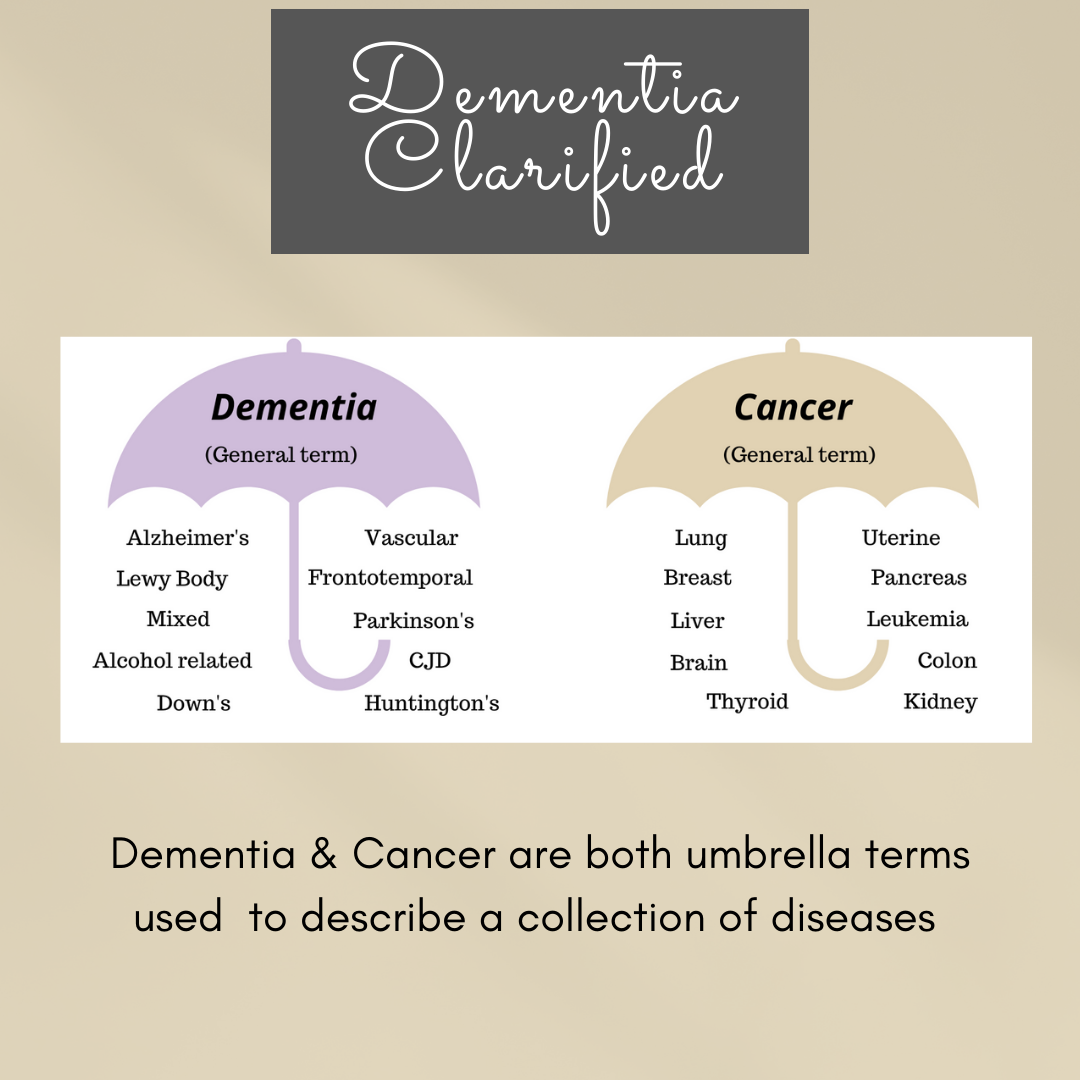
Understanding Dementia and Communication
Dementia affects a person’s memory, thinking, and communication skills in many ways. It’s not just one disease but a general term for a decline in cognitive abilities that interferes with daily life.
Alzheimer’s disease is the most common type, but there are several others. Each type progresses differently, but they all affect how the brain processes information and communicates with others. Learn more about the different types of dementia.

Cognitive Decline and Memory Issues
One of the most noticeable changes in dementia is how the brain handles thinking, memory, and decision-making. These changes do not happen all at once. They usually appear slowly and become more noticeable over time.
Understanding what is happening in the brain can help caregivers respond with more patience and less frustration.
Short-Term Memory Loss
People with dementia often lose the ability to remember recent events. They may ask the same question several times, forget that they just ate a meal, or not remember a conversation that happened a few minutes earlier.
Older memories, like childhood stories or events from many years ago, may stay intact much longer. This is why someone with dementia may clearly remember something from 40 years ago but forget what happened this morning.
For caregivers, this can feel confusing. But it helps to remember that the brain is simply losing its ability to store and retrieve new information.
Disorientation
Many people with dementia become disoriented. This means they may become confused about:
-
Where they are
-
What day or time it is
-
What is happening around them
Someone may wake up in their own home and suddenly feel like they are in a strange place. Others may believe they need to go to work or pick up their children—even if they retired years ago.
This confusion can feel very real and frightening to them, which is why they may seem anxious or upset.
Difficulty with Problem-Solving
As dementia progresses, the brain has a harder time organizing thoughts and solving problems.
Tasks that once felt simple—like getting dressed, using the microwave, or following directions—may suddenly feel overwhelming.
For example, choosing clothes may become confusing because the brain struggles to decide:
-
Which items go together
-
What order to put them on
-
What is appropriate for the weather
When something feels too complicated, the person may become frustrated or refuse help. Often it’s not stubbornness—it’s that the task truly no longer makes sense to their brain.

How Dementia Affects Communication and Cooperation
Dementia doesn’t only affect memory. It also changes how a person understands language and expresses themselves.
Communication becomes harder for both the person with dementia and the caregiver trying to help.
Language Problems
Many people begin to struggle with finding the right words. They may pause mid-sentence, substitute the wrong word, or repeat the same question over and over.
Sometimes they know what they want to say but simply cannot get the words out.
Other times they may misunderstand what someone else has said, which can lead to confusion during everyday conversations.
Difficulty Understanding Complex Sentences
Long explanations or multi-step instructions can quickly overwhelm someone with dementia.
For example, a caregiver might say:
“After breakfast, go brush your teeth, take your pills, and then get ready for your appointment.”
To a healthy brain, this sounds simple. But to someone with dementia, the brain may only process part of the sentence—or none of it.
Breaking things into one small step at a time often works much better.
Aphasia
Some individuals develop a condition called aphasia, which affects the ability to speak or understand language.
They may:
-
Use the wrong words
-
Struggle to form sentences
-
Have difficulty understanding what others say
This can be incredibly frustrating for them because they may still feel the thoughts in their mind but cannot express them clearly.
Because communication becomes harder, frustration often follows. Both the caregiver and the person with dementia may feel misunderstood.

Emotional and Behavioral Changes
Dementia does not only affect thinking. It also changes how the brain handles emotions.
When the brain struggles to understand the world, emotions can become stronger and harder to control.
Mood Changes
Some people develop new mood changes such as:
-
Anxiety
-
Depression
-
Irritability
-
Fearfulness
Someone who was once calm and easygoing may suddenly seem worried, impatient, or easily upset.
Part of this happens because the world around them no longer feels predictable or easy to understand.
Frustration and Agitation
Imagine knowing something is wrong but not being able to explain it.
When someone cannot express what they need or understand what is happening around them, frustration builds quickly. This can show up as:
-
Restlessness
-
Anger
-
Refusing help
-
Raising their voice
Often the behavior is simply a way of saying, “I’m overwhelmed and I don’t know how to fix it.”
Social Withdrawal
Some individuals begin to withdraw from conversations or activities they once enjoyed.
This is not because they no longer care about people. Many times it happens because they feel embarrassed or stressed when they cannot keep up with conversations.
Avoiding social situations can feel safer than risking confusion in front of others.
Why Clear, Positive Communication Matters
All of these brain changes affect how someone with dementia hears, processes, and responds to you.
What feels like simple communication to us can feel confusing or overwhelming to them.
This is why adjusting how we speak can make such a big difference.
When caregivers:
-
Use simple words
-
Speak calmly
-
Give one step at a time
-
Offer reassurance
they often see less resistance and more cooperation.
The goal is not to correct or argue. The goal is to make the moment easier for both of you.
Even small changes in wording, tone, or timing can turn a stressful situation into a calmer interaction.
And over time, these small adjustments can make daily caregiving feel much smoother.
If you’ve ever wondered why your loved one refuses care or behaves differently, understanding dementia can help.
Understanding Dementia Course – created to help caregivers understand what is happening in the brain.
💜 Want to Understand Why These Changes Are Happening?
Dementia is so much more than memory loss.
Changes in the brain affect communication, behavior, emotions, and daily abilities.
When caregivers understand what is happening inside the brain, it becomes much easier to respond with patience and confidence.
My Understanding Dementia Course walks you through:
🧠 How dementia affects the brain
📊 The stages of dementia and what changes to expect
💬 Why behaviors happen and how to respond calmly
❤️ Practical strategies to reduce frustration and stress
If you’ve ever thought “Why are they acting like this?” — this course will help you understand.
✔ Self-paced
✔ Caregiver-friendly
✔ Easy to understand
🧠 “Most dementia resistance is not stubbornness. It is confusion trying to protect itself.”
Why Dementia Patients Refuse Care
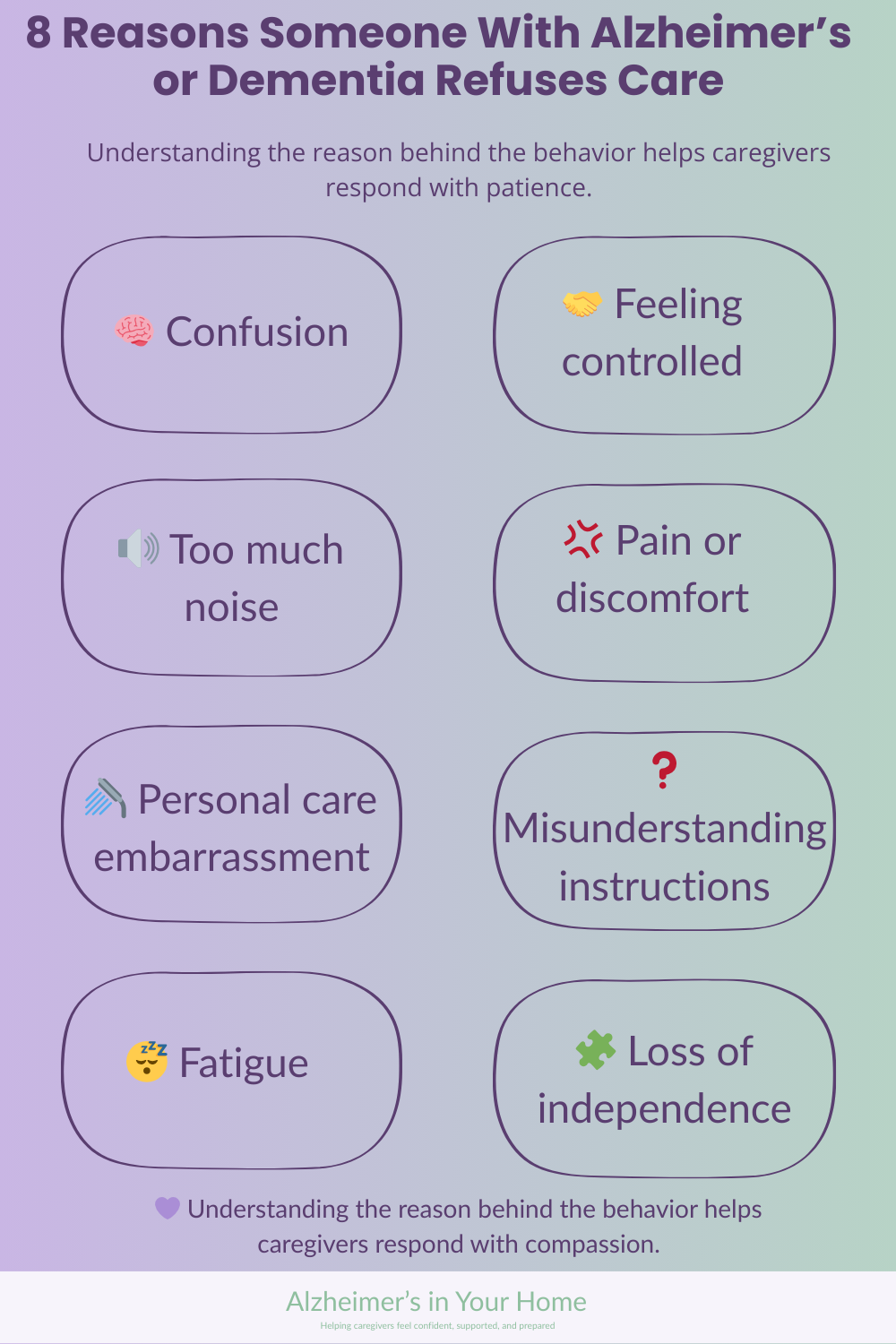
When someone with Alzheimer’s or dementia refuses help, it can feel frustrating or even hurtful. Caregivers often wonder why their loved one is being so difficult.
But most of the time, the refusal is not about being stubborn.
It’s usually a sign that something feels confusing, uncomfortable, or frightening.
Dementia changes how the brain understands the world. Things that once felt normal—like bathing, dressing, or taking medicine—may suddenly feel overwhelming.
Understanding why dementia patients refuse care can help caregivers respond with patience instead of frustration and often leads to calmer, more cooperative moments.
Fear or Confusion
A person with dementia may not understand what you are asking them to do.
For example, if you say it is time for a shower, they may not remember what a shower is or why they need one. The water, sound, and unfamiliar steps can feel frightening.
When someone feels confused or afraid, their natural reaction is often to say no or resist.
This is why gentle language can help. Saying something like “Let’s freshen up a little” may feel less intimidating than “You need a shower.”
Feeling Like They Are Being Controlled
Many people with dementia still want to feel independent.
When someone constantly tells them what to do, it may feel like their control is being taken away.
Offering small choices can help restore a sense of independence.
For example:
“Would you like the blue shirt or the green one today?”
When people feel like they still have a say, they are often more willing to cooperate.
Too Much Stimulation
Busy environments can overwhelm someone living with dementia.
Loud televisions, multiple conversations, bright lights, or a rushed caregiver can make it difficult for their brain to process what is happening.
When the brain feels overloaded, refusing care may simply be their way of trying to slow things down.
Creating a calm environment and slowing the pace can make daily tasks much easier.
Pain or Physical Discomfort
Sometimes refusal is the only way someone with dementia can communicate that something hurts.
They may resist getting dressed because moving their arm causes pain. They may refuse a shower because the water temperature feels uncomfortable.
If resistance suddenly appears, it is always worth considering whether pain, illness, constipation, or a urinary tract infection could be the cause.
Feeling Embarrassed or Vulnerable
Personal care tasks like bathing, dressing, or toileting can make someone feel exposed or embarrassed.
A person who once valued privacy may suddenly need help with very personal activities. That loss of dignity can be difficult to accept.
Using respectful language, keeping them covered with towels or robes, and explaining what you are doing can help them feel safer.
They Simply Don’t Understand What’s Happening
Sometimes the person truly does not understand what you are asking them to do.
The words may sound familiar, but the meaning may be lost.
Instead of relying only on words, try demonstrating the task or gently guiding them. Visual cues are often easier for the brain to understand than verbal instructions.
💜 Caregiver Reminder:
Most dementia resistance is not about refusing you — it is about trying to make sense of a world that no longer makes sense.
If you’ve ever wondered why your loved one refuses care or behaves differently, understanding dementia can help.
Understanding Dementia Course – created to help caregivers understand what is happening in the brain.
💜 Feeling Confused by Dementia Behaviors?
Many caregivers feel overwhelmed when their loved one refuses care, becomes agitated, or stops cooperating.
These behaviors often make more sense when you understand how dementia changes the brain.
Inside my Understanding Dementia Course, I explain:
✔ Why behaviors happen
✔ Why reasoning no longer works
✔ How communication needs to change
✔ What to expect as dementia progresses
🤝 “Connection comes before cooperation in dementia care.”

Core Strategies for Clear and Positive Communication
Before looking at specific phrases, it helps to keep a few guiding principles in mind.
Simplify Language
Use short, clear sentences and avoid complicated explanations.
Use Positive Language
Instead of saying “Don’t go outside,” try “Let’s stay inside where it’s warm and cozy.”
Be Patient
Allow extra time for the person to process what you said.
Use Non-Verbal Cues
Smiles, gestures, and gentle touches can communicate reassurance.
Rely on Repetition
Familiar words and routines create comfort.
Use Visual Aids
Notes, labels, and pictures can help explain what words cannot.
These small adjustments can make daily interactions smoother and more peaceful.
🌿 “A calm voice can do more than a thousand explanations.”

Practical Tips for Choosing the Right Words
1. Make It Fun and Positive
Turning a chore into something enjoyable can lower resistance.
-
Instead of “It’s time for your bath” → try “It’s spa time!”
-
Instead of “We’re going to adult day care” → try “We’re going to the club!”
A playful tone can help your loved one feel more relaxed and willing to join in.

2. Use Familiar and Comforting Terms
Familiar words feel safer and less threatening.
People with dementia often respond better to words and phrases that are familiar to them. Using comforting and recognizable language can help them feel more secure. For instance, instead of saying, “You have a doctor’s appointment,“ you might say, “Let’s go see your friend, Dr. Smith.” This makes the appointment sound less clinical and more personal. If they enjoy certain activities, frame your language around those interests. Instead of “It’s time to exercise,“ you could say, “Let’s go for a nice walk.”
Here are 10 more examples of using different wording to get someone with dementia to cooperate:
- Hydration:
- Instead of “Drink your water,” try “Let’s have a refreshing drink together!” Learn more about preventing dehydration.
- Dressing:
- Instead of “You need to get dressed,” say “Let’s pick out a nice outfit for you today!”
- Brushing Teeth:
- Instead of “Time to brush your teeth,” say “Let’s keep that smile bright and shiny!”
- Eating:
- Instead of “You need to eat your meal,” say “Let’s enjoy this delicious meal together!” Learn more about dementia-related eating problems.
- Going to Bed:
- Instead of “It’s time to go to bed,” try “Let’s get cozy and rest for a while.”
- Taking a Walk:
- Instead of “We need to go for a walk,” say “Let’s go explore outside and get some fresh air.”
- Using the Bathroom:
- Instead of “You need to use the bathroom,” try “Let’s freshen up a bit.” Find more toileting tips.
- Taking Medication:
- Instead of “It’s time for your medication,” say “Here’s your medicine to help your arthritis pain!” Find dementia- related medication time tips.
- Attending an Appointment:
- Instead of “We have to go to your appointment,” say “Let’s go talk to Dr. Joe.”
- Participating in Activities:
- Instead of “Join this activity,” try “Let’s have some fun and do this together!” Learn more about engaging activities.
These phrases not only sound more inviting and less demanding but also help create a positive and engaging environment. This can encourage cooperation and make daily tasks feel less like chores and more like enjoyable activities.

3. Create a Sense of Routine
Consistency reduces stress and confusion.
-
Instead of “It’s time for your medication,” say “Here’s your daily vitamin.”
-
Use the same phrase at the same time each day so it feels predictable.
Routine language helps the brain recognize familiar patterns and builds a sense of comfort. Learn more about the importance of maintaining routines in Alzheimer’s & Dementia care.

4. Connect Words to Their Interests
Connect with what lights them up.
-
If they love music: “Let’s have a musical dinner!”
-
If they enjoy sports: “Let’s stretch like athletes before the big game!”
When activities connect to personal interests, cooperation often feels more natural.

5. Be Gentle and Reassuring
Your tone matters as much as the words.
Being gentle and reassuring is crucial when communicating with someone who has dementia. The way you speak can greatly influence their mood and willingness to cooperate.
- Gentle Approach: A calm and reassuring tone is essential. Speaking softly and slowly can help the person feel more at ease.
- Avoid Urgency: Instead of saying, “You need to do this now,” which can feel stressful and demanding, try, “How about we try this together?” This approach feels more like a partnership and less like a command.
- Offer Choices: Giving simple choices can make the person feel more in control and less pressured. For example, “Would you like to wear the blue shirt or the green one?”
- Use Encouraging Words: Encouragement can boost their confidence. Phrases like, “You’re doing great!” or “I’m here to help you,” can make a big difference.
- Stay Positive: Focus on what they can do rather than what they can’t. Celebrate small successes to build their confidence and motivation.
- Reassuring Presence: Sometimes, just being there is enough. Physical presence, combined with a gentle touch, can convey reassurance and support. Holding their hand or offering a hug can communicate warmth and safety.
- Repetition and Familiarity: Familiar routines and repeated phrases can create a sense of security. If they’re familiar with certain words or phrases, using these consistently can help them feel more comfortable and understood.
- Empathy and Understanding: Show empathy by acknowledging their feelings. If they’re upset, say, “I can see you’re feeling upset. Let’s take a moment to relax together.” Validating their emotions can help reduce frustration and build trust.
👉 Caregiver Reminder: What works for one person may not work for another. Keep experimenting, and notice which phrases bring the best response from your loved one.
Frequently Asked Questions About Getting Someone With Dementia to Cooperate
Why do people with dementia refuse care?
People with dementia often refuse care because they feel confused, frightened, overwhelmed, or uncomfortable. They may not understand what is happening or why something is being asked of them. Refusal is often their way of expressing fear, frustration, or discomfort when they cannot explain it with words.
Should you argue with someone who has dementia?
No. Arguing with someone who has dementia usually increases confusion and agitation. Their brain processes information differently, so trying to reason or correct them often leads to more stress. A calmer approach is to redirect the conversation, offer reassurance, or change the activity.
How do you calm someone with Alzheimer’s who is resisting care?
Speak slowly, use a calm tone, and simplify what you are asking. Avoid rushing or giving multiple instructions at once. Gentle reassurance, familiar routines, and offering simple choices can often help reduce resistance.
Why do dementia patients say no to everything?
Saying “no” can be a way for someone with dementia to maintain a sense of control. As the disease progresses, they lose independence in many areas of life. Refusing something may be their only way to express that they want control over what is happening.
What is the best way to talk to someone with dementia?
The best approach is to use short, simple sentences and a warm tone. Avoid complicated instructions. Positive wording, gentle encouragement, and patience can help the person feel safe and more willing to cooperate.
💙 “The goal is not to control the person with dementia — the goal is to help them feel safe.”
If you’ve ever wondered why your loved one refuses care or behaves differently, understanding dementia can help.
Understanding Dementia Course – created to help caregivers understand what is happening in the brain.
💜 You Don’t Have to Figure Dementia Out Alone
Caring for someone with Alzheimer’s or dementia is one of the hardest journeys many families face.
Understanding what is happening inside the brain can help you respond with more calm, confidence, and compassion.
My Understanding Dementia Course was created to help caregivers feel more prepared for the changes that come with this disease.
If you want to better understand what your loved one is experiencing — and how to respond with confidence — this course can help.
Final Thoughts
Helping someone with Alzheimer’s or dementia cooperate is not about forcing compliance or winning arguments.
It is about creating moments of connection, comfort, and trust.
When caregivers use gentle words, positive phrasing, and familiar routines, everyday tasks can feel less stressful for everyone involved.
Remember, every person with dementia is different. What works today may not work tomorrow—and that is okay.
Be patient with yourself. Keep experimenting with different approaches and celebrate the small victories.
Over time, you may discover something powerful:
Your words can become one of the most effective tools you have as a caregiver.
They can bring calm to your loved one—and confidence to you.
💜 Looking for more practical dementia caregiving tips? Explore more caregiver resources here.