

When you hear someone mention dementia or Alzheimer’s disease, it’s easy to get confused about what exactly they mean. Both terms are often used interchangeably, but they are not the same. Understanding the distinction can help caregivers and families better navigate the care of their loved ones, and it’s crucial for planning the best possible support.
In this blog, we’ll explain what dementia is, what Alzheimer’s disease entails, and how the two differ.
Editor’s Note
This article was originally published in 2025 and was completely reviewed, updated, and expanded in July 2026 to include the latest caregiver information, new treatment options, practical caregiving tips, and additional resources.
A Question Almost Every New Dementia Caregiver Asks
When Susan’s husband came home from his appointment, he told everyone, “The doctor says I have dementia.”
Susan immediately thought,
“So…does that mean he doesn’t have Alzheimer’s?”
She spent hours searching online because she thought dementia and Alzheimer’s were completely different diseases.
It wasn’t until later that she learned dementia is actually the umbrella term—and Alzheimer’s is the most common type of dementia.
That one simple explanation finally made everything make sense.
What is Dementia?
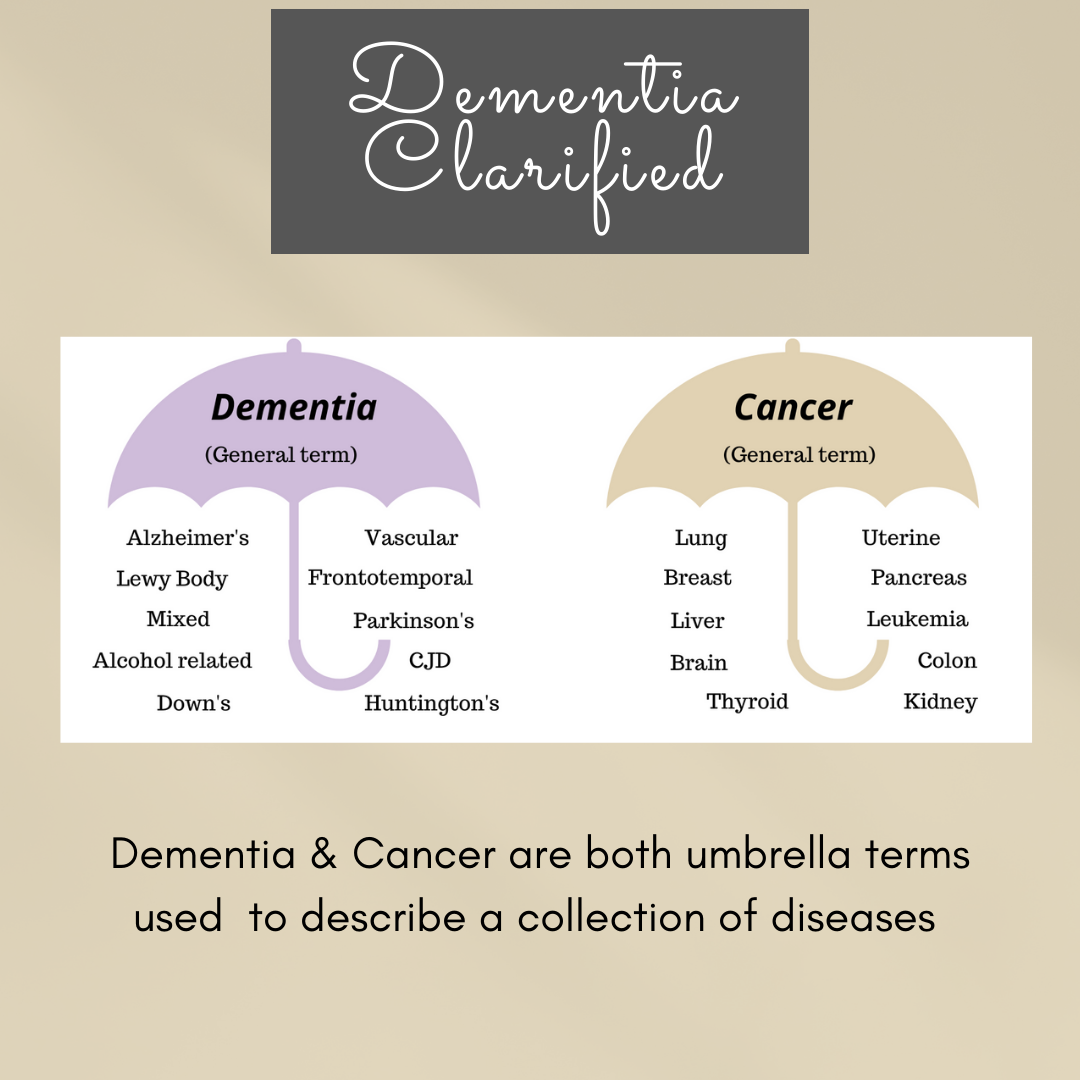
Dementia is an umbrella term that refers to a range of symptoms affecting a person’s memory, thinking, behavior, and ability to perform everyday activities. It is not a specific disease but a collection of symptoms that often involve memory loss, difficulties with language, and challenges in reasoning or problem-solving.
To better understand this concept, think of dementia in a similar way to cancer. Just as “cancer” is a broad term that encompasses various types of cancers, such as breast cancer, lung cancer, and colon cancer, dementia covers different types of cognitive decline. In this way, Alzheimer’s disease is a specific type of dementia, much like how breast cancer is a specific type of cancer.
For example, while cancer refers to a group of diseases that involve abnormal cell growth with the potential to spread to other parts of the body, the term dementia includes a group of disorders that affect brain function. Just as breast cancer, lung cancer, and other types of cancer have different causes, symptoms, and treatments, dementia can also be caused by various factors, with each type having unique characteristics.
There are many types of dementia, each caused by different factors. Some common causes include:
- Alzheimer’s disease: The most common cause of dementia
- Vascular dementia: Caused by reduced blood flow to the brain, often following a stroke
- Lewy body dementia: Characterized by abnormal protein deposits in the brain
- Frontotemporal dementia: Affects the front and sides of the brain, leading to changes in personality and behavior
People with dementia often experience difficulty in recognizing faces, places, and things. Their ability to plan, communicate, and make decisions may decline, which can affect their ability to live independently.
What is Alzheimer’s Disease?
Alzheimer’s disease is a specific form of dementia. It is the most common cause of dementia, making up around 60-80% of all cases. Alzheimer’s is a progressive disease, meaning it worsens over time, and it primarily affects memory, thinking, and behavior.
Key Symptoms of Alzheimer’s Disease:
- Memory loss: The most common early symptom. People may forget recent events or conversations.
- Difficulty with familiar tasks: They may struggle to complete simple tasks like cooking or paying bills.
- Disorientation: Confusion about time, places, and familiar people.
- Language problems: Difficulty finding the right words or following conversations.
- Changes in mood or behavior: Increased confusion, anxiety, or agitation.
- Impaired judgment: Poor decision-making, like leaving the stove on or driving to unfamiliar places.
What causes Alzheimer’s? The disease is linked to abnormal brain changes, including amyloid plaques and tau tangles that interfere with brain cell communication. Over time, these changes damage brain cells, leading to memory loss and other cognitive impairments.
Risk Factors for Alzheimer’s Disease:
- Age: The risk increases as people get older, typically over 65.
- Genetics: Family history and certain genes (e.g., APOE-e4) can increase the risk.
- Lifestyle factors: Heart health, mental stimulation, and physical activity can impact the likelihood of developing Alzheimer’s.

💜 Quick Tip for Dementia Caregivers
Think of dementia as the umbrella, and Alzheimer’s disease as the most common condition underneath that umbrella. Every person with Alzheimer’s has dementia, but not everyone with dementia has Alzheimer’s.

Key Differences Between Alzheimer’s and Dementia
Although people often use the terms interchangeably, Alzheimer’s disease and dementia are not the same thing.
Dementia is the Umbrella Term
Dementia is a general term used to describe a decline in memory, thinking, and daily functioning that is severe enough to interfere with everyday life. There are many different diseases that can cause dementia.
Alzheimer’s is One Type of Dementia
Alzheimer’s disease is the most common cause of dementia, accounting for an estimated 60% to 80% of cases. Every person with Alzheimer’s has dementia, but not everyone with dementia has Alzheimer’s disease.
Symptoms Can Be Different
Alzheimer’s disease usually begins with gradual memory loss. Other types of dementia may first affect movement, language, judgment, personality, or behavior before memory becomes a major concern.
The Underlying Brain Changes Are Different
Each type of dementia affects the brain in a different way. Alzheimer’s disease is associated with amyloid plaques and tau tangles, while other dementias may result from reduced blood flow, Lewy bodies, or damage to the brain’s frontal and temporal lobes.
Learn more about the different types of dementia HERE.

How Are Alzheimer’s and Other Types of Dementia Diagnosed?
Getting the right diagnosis is an important first step because different types of dementia can have different symptoms, treatments, and care needs.
There isn’t a single test that can diagnose Alzheimer’s disease or every type of dementia. Instead, healthcare providers use several pieces of information to build the complete picture.
Your evaluation may include:
- A medical history to learn about symptoms, health conditions, medications, and family history.
- Memory and thinking tests to evaluate memory, language, problem-solving, attention, and other thinking skills.
- A physical and neurological exam to look for other medical conditions that could be causing symptoms.
- Blood tests to rule out vitamin deficiencies, thyroid problems, infections, or other conditions that can affect memory. In some cases, newer blood biomarker tests may also help evaluate Alzheimer’s disease.
- Brain imaging, such as an MRI or CT scan, to look for strokes, tumors, or changes in the brain that may help identify the cause of dementia. Some people may also have specialized brain imaging if recommended by a specialist.
Because many dementia symptoms overlap, it can take time to determine exactly which type of dementia a person has. Sometimes the diagnosis becomes clearer as symptoms change over time.
💜 Caregiver Tip
Family caregivers often notice changes long before anyone else. Keeping track of memory problems, behavior changes, sleep patterns, falls, medications, and daily functioning can provide valuable information for your healthcare team.
A Caregiver’s Notebook can help you organize these observations so your doctor has a clearer picture of what is happening at home—not just during a short office visit. This information can lead to a more accurate diagnosis and better treatment decisions.

Treatment Options for Alzheimer’s and Other Types of Dementia
While there is currently no cure for Alzheimer’s disease or most other types of dementia, there are treatments that may help manage symptoms, improve quality of life, and, in some cases, slow the progression of the disease. The right treatment depends on the type of dementia, the person’s overall health, and the stage of the disease.
Alzheimer’s Treatment
Treatment for Alzheimer’s disease usually includes a combination of medication, healthy lifestyle habits, and supportive care.
Medications
Several medications are approved to help manage Alzheimer’s symptoms.
- Cholinesterase inhibitors (such as donepezil (Aricept), rivastigmine (Exelon), and galantamine (Razadyne)) may help improve memory, thinking, and daily functioning for some people, particularly during the early and middle stages.
- Memantine (Namenda) is often prescribed during the moderate to later stages of Alzheimer’s disease and may help with memory, attention, and daily activities.
- Anti-amyloid medications may slow the progression of early Alzheimer’s disease in carefully selected patients. These newer treatments are not appropriate for everyone and require evaluation by a memory specialist because they involve regular brain imaging and monitoring for possible side effects.
Your healthcare provider may also prescribe medications to help manage symptoms such as depression, anxiety, sleep problems, agitation, or hallucinations when appropriate.
Non-Medication Approaches
Medication is only one part of dementia care. Many families find that daily routines and supportive therapies make just as much difference.
Helpful approaches include:
- Regular physical activity
- Social interaction and meaningful activities
- Music therapy
- Art or creative activities
- Reminiscence therapy using photographs and familiar stories
- A consistent daily routine
- Good sleep habits
- A heart-healthy eating pattern such as the Mediterranean or MIND diet
Vascular Dementia Treatment
Vascular dementia develops when blood flow to the brain is reduced, often because of strokes or small vessel disease. Treatment focuses on preventing additional damage.
This may include:
- Controlling high blood pressure
- Managing diabetes
- Treating high cholesterol
- Quitting smoking
- Regular physical activity
- Eating a heart-healthy diet
Some people may also need medications such as blood pressure medicines, cholesterol-lowering medications, or blood thinners, depending on the underlying cause and their doctor’s recommendations.
Lewy Body Dementia Treatment
Lewy body dementia often causes changes in thinking, visual hallucinations, movement problems, and fluctuations in alertness.
Treatment may include:
- Cholinesterase inhibitors to help with memory and thinking
- Parkinson’s medications to improve movement (used carefully because they can sometimes worsen hallucinations)
- Physical, occupational, and speech therapy
- Sleep management strategies
Important: Many people with Lewy body dementia are extremely sensitive to certain antipsychotic medications, which can cause serious side effects. These medications should only be used under the close supervision of an experienced healthcare provider.
Frontotemporal Dementia (FTD) Treatment
Frontotemporal dementia often affects behavior, personality, language, and decision-making before memory.
Although there are currently no medications that slow FTD itself, treatment focuses on managing symptoms and supporting both the person and their caregivers.
Treatment may include:
- Medications to help manage depression, anxiety, or compulsive behaviors
- Speech therapy for language difficulties
- Structured daily routines
- Behavioral strategies to reduce frustration and improve safety
The Importance of Supportive Care
Regardless of the type of dementia, supportive care is one of the most important parts of treatment.
Families often benefit from:
- Learning about the specific type of dementia
- Creating predictable daily routines
- Adapting the home for safety
- Planning ahead for future care needs
- Joining caregiver support groups
- Working closely with healthcare providers
Keeping track of changes in memory, behavior, sleep, medications, and daily functioning can also help doctors make better treatment decisions over time.
💜 Caregiver Tip: A caregiver notebook or symptom tracker can make doctor visits much easier by helping you document changes as they happen instead of trying to remember everything during the appointment.
Frequently Asked Questions
❓ Is Alzheimer's always dementia?
Yes. Alzheimer’s disease is the most common type of dementia.
❓ Is dementia always Alzheimer's?
No. Dementia has many causes including vascular dementia, Lewy body dementia, frontotemporal dementia, Parkinson’s disease dementia, and mixed dementia.
❓ Can doctors tell which type someone has?
Sometimes right away—but often it takes time because symptoms overlap.
❓ Can someone have more than one type?
Yes. Mixed dementia is actually very common in older adults.
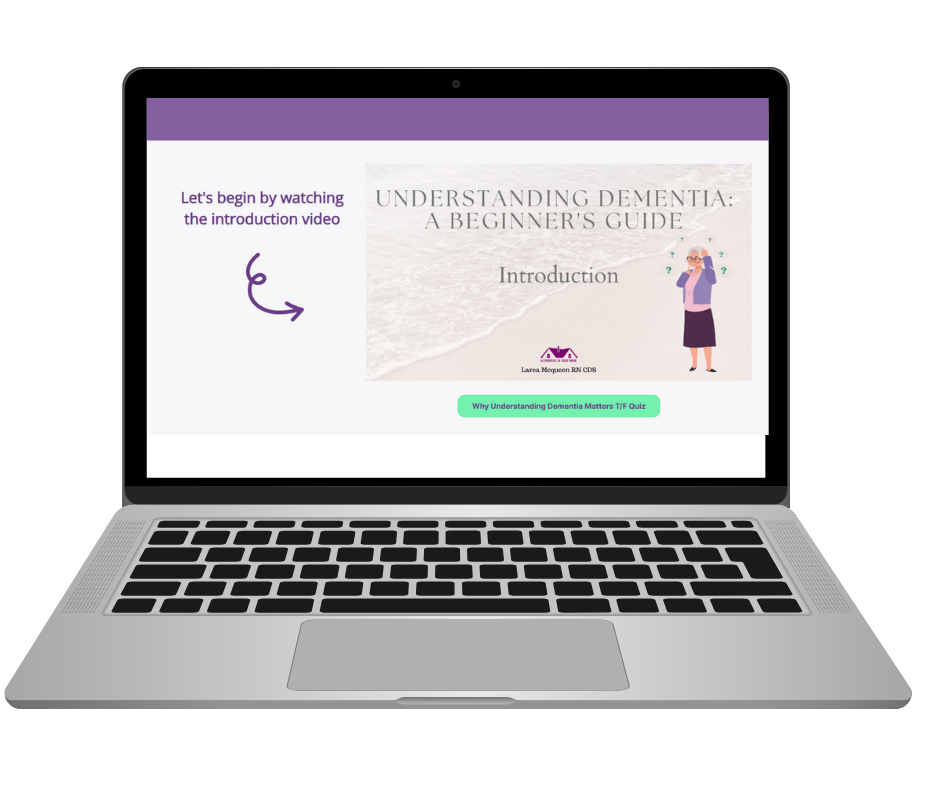
New to dementia caregiving?
My Understanding Dementia: A Beginner’s Guide walks you through dementia types, stages, behaviors, communication, safety, and what to expect next.

Common Myths and Misconceptions
It’s easy to get caught up in myths about Alzheimer’s and dementia. Here are a few common misconceptions:
- Myth 1: Alzheimer’s is the only type of dementia.
- Fact: There are many types of dementia, including vascular dementia, Lewy body dementia, and frontotemporal dementia.
- Myth 2: Dementia only affects older people.
- Fact: While the risk increases with age, dementia can affect people as young as 40 or 50 (early-onset dementia).
- Myth 3: Dementia is just about memory loss.
- Fact: Dementia affects various cognitive functions, including judgment, reasoning, and problem-solving.
Conclusion:
Understanding the difference between Alzheimer’s disease and dementia is one of the first—and most important—steps in the caregiving journey. Remember, dementia is an umbrella term that describes a group of symptoms, while Alzheimer’s disease is the most common type of dementia.
Knowing the specific type of dementia your loved one has can help you better understand what changes to expect, ask informed questions during doctor visits, and find resources that meet your family’s needs.
If you notice changes in memory, thinking, behavior, or daily functioning, don’t wait to talk with your healthcare provider. An early evaluation may help identify treatable conditions, provide access to appropriate treatments and support services, and give your family more time to plan for the future.
Continue Learning
If you’re just beginning your dementia caregiving journey, these resources can help:
- 📖 Free Alzheimer’s vs. Dementia Guide – Learn the differences in simple, easy-to-understand language.
- 🧰 Dementia Caregiver Toolbox – Access free printable forms, checklists, guides, and caregiver resources to help you stay organized and prepared.
- 🧠 Understanding the Different Types of Dementia – Discover how Alzheimer’s, vascular dementia, Lewy body dementia, frontotemporal dementia, and other types differ.
- 📅 Navigating the Dementia Stages – Learn what changes to expect as dementia progresses.
- 🩺 Preparing for Dementia Doctor Visits – Make appointments more productive with practical tips and free printable forms.
- 📒 The Caregiver’s Notebook – Keep track of symptoms, medications, behaviors, and important information to share with your healthcare team.
- 💜 Pearls of Wisdom Newsletter – Receive weekly nurse-written tips, caregiver education, and encouragement delivered to your inbox.
If you found this article helpful, please consider sharing it with another caregiver. A better understanding of Alzheimer’s disease and dementia can help families feel more confident, prepared, and supported throughout their caregiving journey.



0 Comments